How Broward County Connects South Florida's Coastline
Broward County occupies the central stretch of South Florida's urban coast, with Fort Lauderdale anchoring a region that splits the difference between Miami's intensity and Palm Beach's reserve.
- Flag
-
- ISO code
- US
- Currency
- USD
The Linear Geography of Broward County
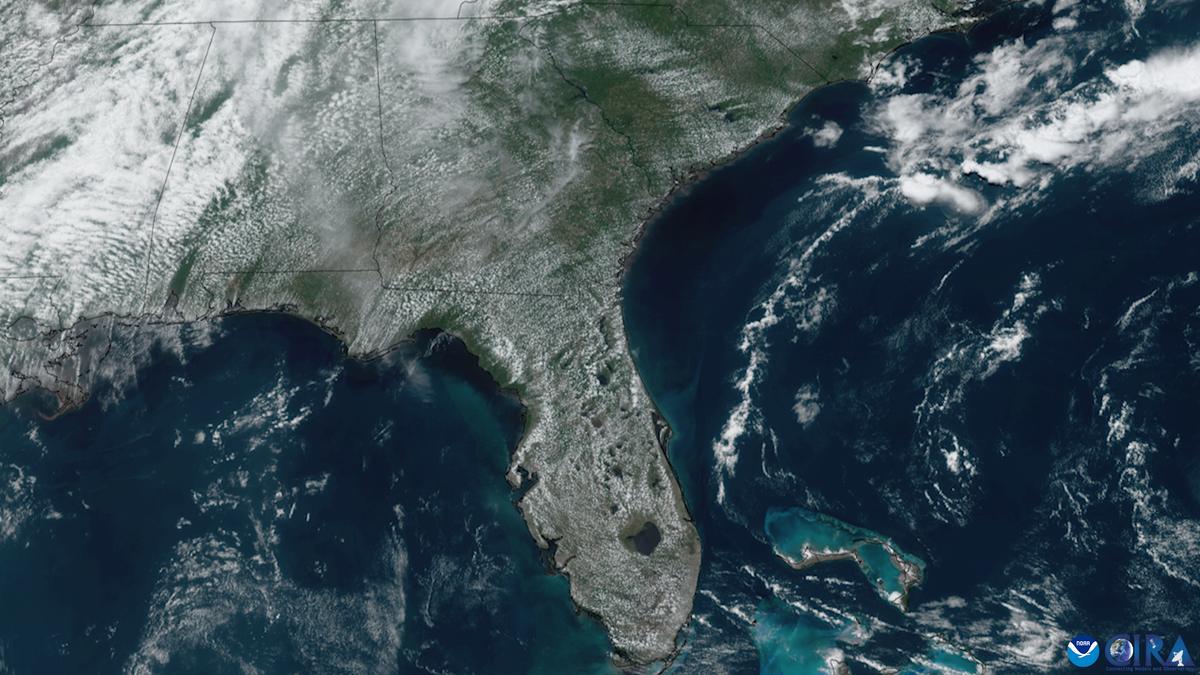
Broward County is the middle child of South Florida, pressed between Miami-Dade to the south and Palm Beach to the north along a continuous urban strip that runs roughly 110 miles north-south. The three counties stack in a straight line you can trace from the window of a car on I-95 or a train on the Florida East Coast Railway. Broward County's position between Miami and Palm Beach is not a trivia question. It is the single most useful fact for planning a South Florida trip, because it determines how you spend your days, which airport you book, and whether you spend your mornings stuck in traffic or on the sand.
Here is the linear logic. Miami-Dade County (population 2,686,867 in 2023, U.S. Census Bureau) anchors the bottom. Palm Beach County (1,533,801) caps the north. Broward County (1,962,531) sits in the middle with Fort Lauderdale as its anchor city. A drive from Miami to Palm Beach without traffic takes 1 hour 10 minutes to 1 hour 30 minutes. With peak traffic, that stretches to 2 hours to 2 hours 30 minutes. That spread matters. Booking a hotel in South Beach and assuming you will pop up to Palm Beach for lunch is a plan that fails on the first day.
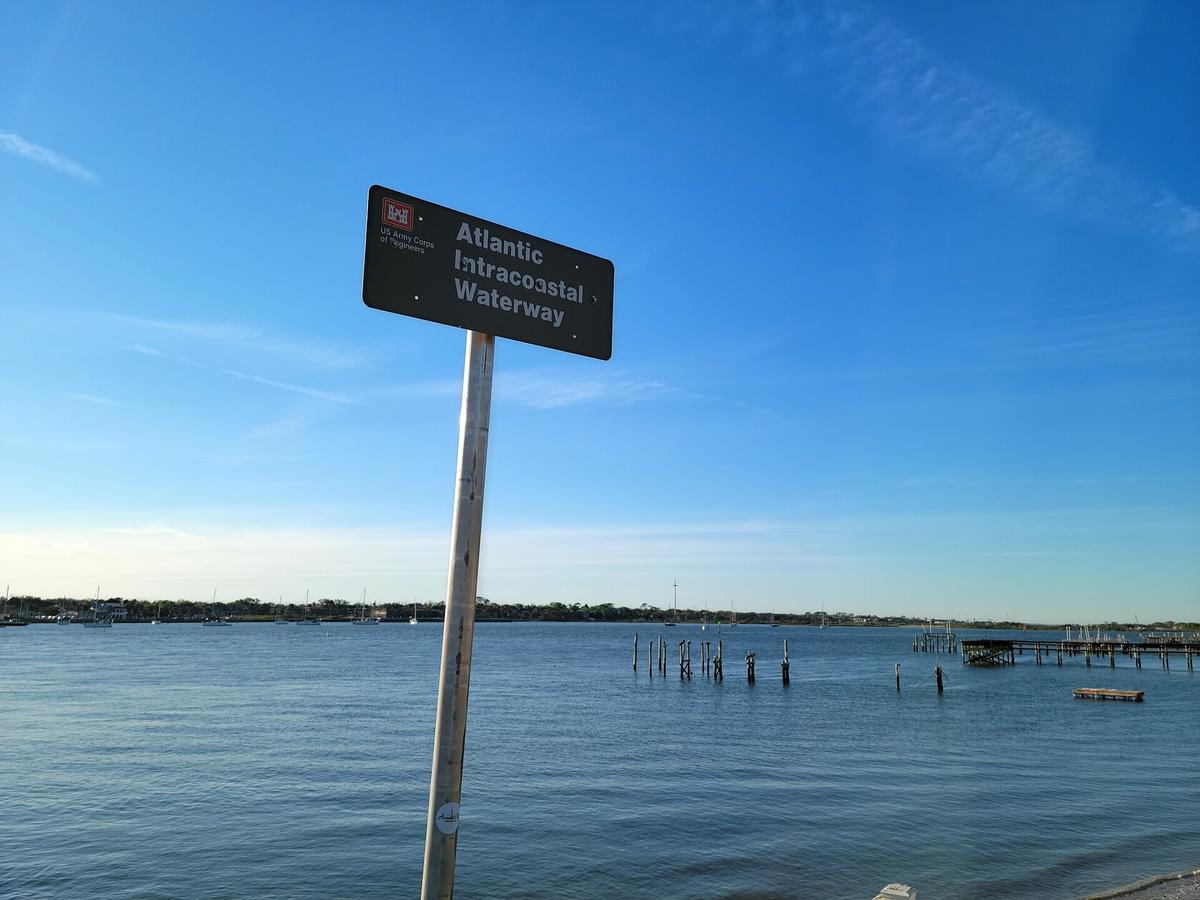
Position Broward County as the pragmatic middle ground, not just geographically but experientially. It is less frenetic than Miami-Dade, where the energy can exhaust you before dinner. It is less buttoned up than Palm Beach, where dress codes and valet lines add friction to a casual afternoon. Broward offers a third option: a polished beach city with a boating culture woven into daily life. Spend the morning on the Intracoastal Waterway at a tiki bar and the afternoon in a Flagler Village brewery warehouse. You will not feel out of place in either.
The region is a continuous urban strip, bounded on the west by the Everglades and Water Conservation Areas and on the east by the Atlantic Ocean. The coastal geography runs west to east in a repeatable pattern: mainland, Intracoastal Waterway, barrier island, Atlantic Ocean. The barrier island ranges from 0.25 miles to 2 miles wide. That strip is where nearly all the beachfront hotels sit, and where first timers make the mistake of assuming every coastal address puts them steps from the sand.
.png)
Why Fort Lauderdale is Your Broward Base
Fort Lauderdale delivers a polished, navigable beach city, but first timers are often surprised by how much the experience revolves around a single strip. That strip is A1A, the oceanfront road running the length of the barrier island. What you get is straightforward: a line of resorts, beach bars, and high rise condos with the sand on one side and the Intracoastal on the other. What you do not get is a dense urban core you can explore on foot outside of business hours. Downtown, around Himmarshee, feels quiet after the offices empty. The spring break chaos of decades past has been replaced by upscale yachting and dining, yet the city still struggles with a disjointed car dependent layout. Spontaneous bar hopping on foot is harder than expected.
Where To Stay
Understanding the districts matters before you book a room. Booking a hotel deep inland near I-95 or in Plantation under the assumption it is a quick walk to the ocean is the most common mistake visitors make. You will realize the beach is a 20 minute, $25 ride hail away with no scenic walking route. The barrier island districts you want are Fort Lauderdale Beach, the classic oceanfront strip of resorts and bars, and Harbor Beach, the exclusive secluded enclave south of the inlet. Las Olas Boulevard runs east-west and connects the island to the mainland with upscale shopping and al fresco dining. Lauderdale by the Sea is a retro walkable beach town with a pier that feels like a separate small town. Wilton Manors is the concentrated heart of LGBTQ+ nightlife. Flagler Village is the emerging arts and warehouse brewery district where you skip the beach for an afternoon of craft beer and food truck fare.
Getting In And Out
Fort Lauderdale Hollywood International Airport (FLL, 35 million passengers in 2023 per the Broward County Aviation Department) is the primary gateway. A ride hail from the designated zones to the central beach area takes 15 to 25 minutes and costs $25 to $40. The cheaper public option, Broward County Transit Route 1 bus, runs from FLL to the central bus terminal in about half an hour for $2, but is impractical with heavy luggage. Miami International Airport (MIA, 52.3 million passengers in 2023) is a secondary option, roughly a 45 to 60 minute drive north. Palm Beach International Airport (PBI, 7.8 million passengers) is closer for north Broward but has fewer flight options. Arrive at FLL unless you are already on a flight path through MIA.
Getting Around Without A Car
The dominant local transport mode is ride hailing, because the city is spread out. The free LauderGO! shuttle and the Sun Trolley serve the beach and downtown loops. Their infrequent schedules trip visitors up. Do not plan a tight itinerary around the trolley. It is not a reliable hop on hop off service. The water taxi is a practical and scenic way to traverse the Intracoastal. An all day pass costs $35. Public Wi Fi is available along the beachfront and Riverwalk but is patchy. A U.S. data plan or eSIM with strong coverage is non negotiable. Waiting for a cab on the street is a losing game.
When to Come and What it Costs
Peak season runs December 15 to April 15. Dry low humidity weather with daily highs around 24 to 27 degrees Celsius (75 to 80 degrees Fahrenheit) draws snowbirds and holidaymakers, sending accommodation rates to their annual maximum. The average daily hotel rate in high season starts at $250 and climbs past $500, based on 2024 rate data from industry sources. Broward County hotel occupancy rates in March 2023 hit approximately 85 to 90 percent according to STR data. Book by October for a stay between mid December and Easter.
Shoulder season runs April 16 to May 31 and October 1 to December 14. Rates drop, crowds thin, and the weather remains pleasant in the shoulder windows. Low season runs June 1 to September 30. The average daily hotel rate drops to $120 to $250. That is a 40 to 60 percent swing between low and high season. The catch is the weather. Late May through June is the start of the wet season, bringing daily afternoon downpours and oppressive humidity, combined with the risk of early season tropical storms. The hurricane season official dates are June 1 to November 30, with peak months August, September, and October. Broward County hotel occupancy in September 2023 bottomed out at approximately 55 to 65 percent. Go that month only if you are price sensitive and willing to gamble on a storm.
Also avoid the Fort Lauderdale International Boat Show week, late October or early November. Hotel prices spike and the 17th Street Causeway area becomes gridlocked. The average high temperature in January is 75 degrees Fahrenheit (24 degrees Celsius). The average high in August is 90 degrees Fahrenheit (32 degrees Celsius). Broward County as a base works best from November to April. It works worst from June to November due to hurricane exposure and humidity.

What to Do with Your Three Days
Minimum days for Broward County is three full days. One for the beach and Intracoastal, one for the Everglades, and one for the arts and dining scene without rushing. That is a tight but doable schedule if you follow the order.
Day One: Beach And Intracoastal
Start at Fort Lauderdale Beach Park for public courts and picnic groves. Walk north on the sand to Las Olas Oceanside Park for the weekend markets if you are there on a Saturday or Sunday. Take the water taxi south along the Intracoastal. Stop for lunch at a dockside Latin seafood spot for whole roasted yellowtail snapper with mojo. Spend the late afternoon at the Bonnet House Museum and Gardens, the historic artist estate on the barrier island that offers a shaded escape from the sun. Dinner is a grouper sandwich, blackened or fried, from a beachfront shack like Coconuts.
Day Two: Everglades
Drive 40 minutes west to Everglades Holiday Park for airboat rides and alligator shows. If you want the longer version, drive one hour southwest to Shark Valley in Everglades National Park for the 15 mile paved tram loop. The tram takes two hours and lets you see alligators and wading birds from an elevated platform. Return to Fort Lauderdale in the late afternoon. Dinner is stone crab claws, served chilled with mustard sauce, in season (October to May) at a no frills fish house.
Day Three: Arts And Dining
Morning at the NSU Art Museum for the mid sized contemporary collection downtown. Walk the Riverwalk Fort Lauderdale, the brick paved linear park along the New River. Lunch on Las Olas Boulevard. Afternoon in Flagler Village for a craft hazy IPA and food truck fare inside a brewery warehouse. If the Fat Village Arts District has its monthly art walk, align your schedule. Evening is a Key lime pie martini or colada from the beachfront Elbo Room.
Day Trips Beyond Broward
Take the Brightline train from the Fort Lauderdale station to downtown Miami. Travel time is 33 minutes. That makes Miami a car free day trip. No rental car, no parking fight. Heading north, the Brightline reaches West Palm Beach in 72 minutes. The Norton Museum and Clematis Street dining in West Palm Beach are 50 minutes north via I-95. Morikami Museum and Japanese Gardens in Delray Beach is 35 minutes north.
Places in Florida
-
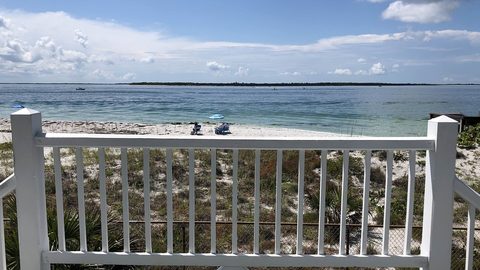 Dania Beach
 packs antique warehouses, a historic jai alai fronton, and a low-key beach strip right next to Fort Lauderdale's airport.
Dania Beach
Dania Beach packs antique warehouses, a historic jai alai fronton, and a low-key beach strip right next to Fort Lauderdale's airport.
-
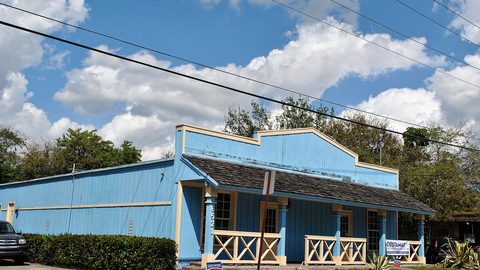 Davie
Davie offers a western-themed break from Fort Lauderdale's beach scene with equestrian culture, university energy, and botanical gardens, all a 20-minute drive inland.
Davie
Davie offers a western-themed break from Fort Lauderdale's beach scene with equestrian culture, university energy, and botanical gardens, all a 20-minute drive inland.
-
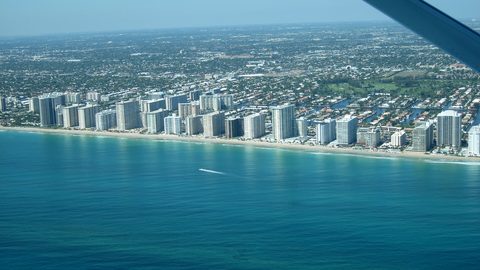 Fort Lauderdale
A practical Fort Lauderdale travel guide covering the canals, the beach strip, the water taxi, and why this boating city works best for a specific kind of trip.
Fort Lauderdale
A practical Fort Lauderdale travel guide covering the canals, the beach strip, the water taxi, and why this boating city works best for a specific kind of trip.
-
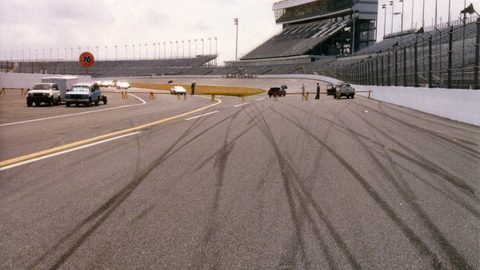 Hallandale Beach
 sits on the Miami-Dade line with Gulfstream Park racing, high-rise beachfront condos, and a dining scene shaped by its location.
Hallandale Beach
Hallandale Beach sits on the Miami-Dade line with Gulfstream Park racing, high-rise beachfront condos, and a dining scene shaped by its location.
-
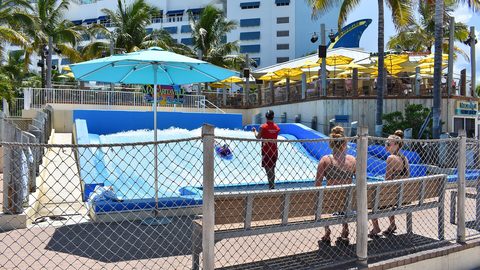 Hollywood
 Florida delivers a walkable Broadwalk, a relaxed beach scene, and lower hotel prices just south of Fort Lauderdale's airport.
Hollywood
Hollywood Florida delivers a walkable Broadwalk, a relaxed beach scene, and lower hotel prices just south of Fort Lauderdale's airport.
-
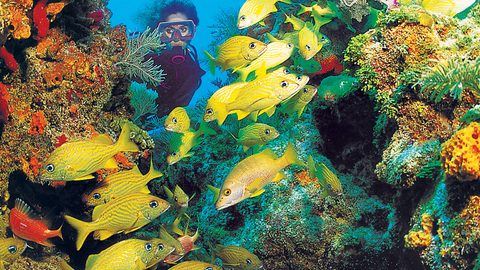 Pompano Beach
 anchors the north end of Greater Fort Lauderdale with a fishing pier, accessible wreck diving, and a quieter shoreline.
Pompano Beach
Pompano Beach anchors the north end of Greater Fort Lauderdale with a fishing pier, accessible wreck diving, and a quieter shoreline.
-
 Wilton Manors
 is the walkable, concentrated LGBTQ+ heart of Fort Lauderdale, centered on Wilton Drive's bars, brunch spots, and the Stonewall National Museum.
Wilton Manors
Wilton Manors is the walkable, concentrated LGBTQ+ heart of Fort Lauderdale, centered on Wilton Drive's bars, brunch spots, and the Stonewall National Museum.
Common Questions
Is Fort Lauderdale closer to Miami or Palm Beach?
Fort Lauderdale sits in the center of Broward County, which lies between Miami Dade and Palm Beach Counties. The drive from Fort Lauderdale to downtown Miami takes about 40 to 50 minutes without traffic. The drive to West Palm Beach takes about 45 to 55 minutes without traffic. The distances are nearly equal, which makes Fort Lauderdale the most convenient base for exploring both ends of the tri county region.
What is the difference between staying in Fort Lauderdale vs Miami Beach?
Fort Lauderdale is less frenetic than Miami Beach. The beachfront is narrower and more laid back, the nightlife is less aggressive, and the city feels more geared toward boating and yachting than club hopping. Miami Beach offers denser urban energy, a broader food scene, and a more walkable core along Ocean Drive. If you want a polished resort experience with easy access to Miami via Brightline, stay in Fort Lauderdale. If you want to be in the middle of the action and do not mind the noise and cost, stay in Miami Beach.
Which airport should I fly into for Broward County?
Fly into Fort Lauderdale Hollywood International Airport (FLL). It is the primary gateway for Broward County with 35 million passengers in 2023. A ride hail to the central beach area costs $25 to $40 and takes 15 to 25 minutes. Miami International Airport (MIA) is a secondary option but adds 45 to 60 minutes of drive time north. Palm Beach International Airport (PBI) is closer for north Broward but has fewer flight options. Book FLL unless a direct flight to MIA saves you a connection.
Is Fort Lauderdale walkable?
No, not in the way a dense city like New York or San Francisco is walkable. The city is spread out along the barrier island and mainland, with key districts separated by bridges and causeways. The beachfront strip along A1A is walkable for about two miles. Las Olas Boulevard is walkable for about a mile. Downtown and Himmarshee are walkable but quiet outside business hours. The water taxi and ride hailing are the practical modes for moving between districts. Do not book a hotel inland assuming you will walk to the ocean.
When is the worst time to visit Fort Lauderdale?
Avoid late May through June, the start of the wet season with daily afternoon downpours, oppressive humidity, and the risk of early season tropical storms. Also avoid the Fort Lauderdale International Boat Show week in late October or early November when hotel prices spike and the 17th Street Causeway area becomes gridlocked. The hurricane season runs June 1 to November 30, with peak activity in August, September, and October. The best months are November through April, with dry weather and comfortable temperatures.
Read next
-
Fort Lauderdale
A practical Fort Lauderdale travel guide covering the canals, the beach strip, the water taxi, and why this boating city works best for a specific kind of trip.
-
Dania Beach
Dania Beach packs antique warehouses, a historic jai alai fronton, and a low-key beach strip right next to Fort Lauderdale's airport.
-
Hallandale Beach
Hallandale Beach sits on the Miami-Dade line with Gulfstream Park racing, high-rise beachfront condos, and a dining scene shaped by its location.
-
Davie
Davie offers a western-themed break from Fort Lauderdale's beach scene with equestrian culture, university energy, and botanical gardens, all a 20-minute drive inland.
-
Wilton Manors
Wilton Manors is the walkable, concentrated LGBTQ+ heart of Fort Lauderdale, centered on Wilton Drive's bars, brunch spots, and the Stonewall National Museum.
-
Hollywood
Hollywood Florida delivers a walkable Broadwalk, a relaxed beach scene, and lower hotel prices just south of Fort Lauderdale's airport.
-
 Arriving in the US for a Florida Trip Entry Rules Driving and Practicalities
International travelers heading to Florida need to navigate ESTA or visa requirements, US Customs processing at airports like FLL, and Florida's specific rules for foreign drivers renting cars.
Arriving in the US for a Florida Trip Entry Rules Driving and Practicalities
International travelers heading to Florida need to navigate ESTA or visa requirements, US Customs processing at airports like FLL, and Florida's specific rules for foreign drivers renting cars.