Which Fort Lauderdale Neighbourhood to Stay In and What Each Costs
Where you stay in Fort Lauderdale defines your entire trip. Compare the beach strip, Las Olas, Wilton Manors, and the inland options that look close on a map but are not.
Which Fort Lauderdale Neighbourhood to Stay in and What Each Costs
You step off the plane at Fort Lauderdale-Hollywood International Airport, grab a ride, and face a choice that will define your entire trip. Fifteen minutes and $25 later you are poolside on A1A, watching the sun drop into the Intracoastal. Or forty minutes and $40 later you are unlocking a chain-hotel room in Plantation, staring at a parking lot, wondering where the beach went. Neighbourhood choice is the single most consequential decision here. The beach strip, Las Olas, Wilton Manors, downtown, and the inland hotel zones around I-95 each offer a radically different trade-off between beach access, walkability, and nightly rate. Fort Lauderdale lays out that trade-off honestly, including the costs most visitors overlook.
Fort Lauderdale is not a dense, walkable city. It is a spread-out barrier-island resort town that happens to have a downtown. The spring break chaos of the 1980s has been replaced by upscale yachting, polished dining, and a boating culture that weaves through daily life. First-timers are surprised by how much the experience revolves around a single strip of A1A and how quiet the downtown core feels after 7 p.m. Book a hotel deep inland near I-95 or in Plantation expecting a quick walk to the ocean, and you will spend an extra $25 to $40 per trip just to see the water. There is no scenic walking route. The beach is a 20-minute drive away. That fare adds up fast over a four-night stay. Here is each zone, what you actually get, and what it costs.
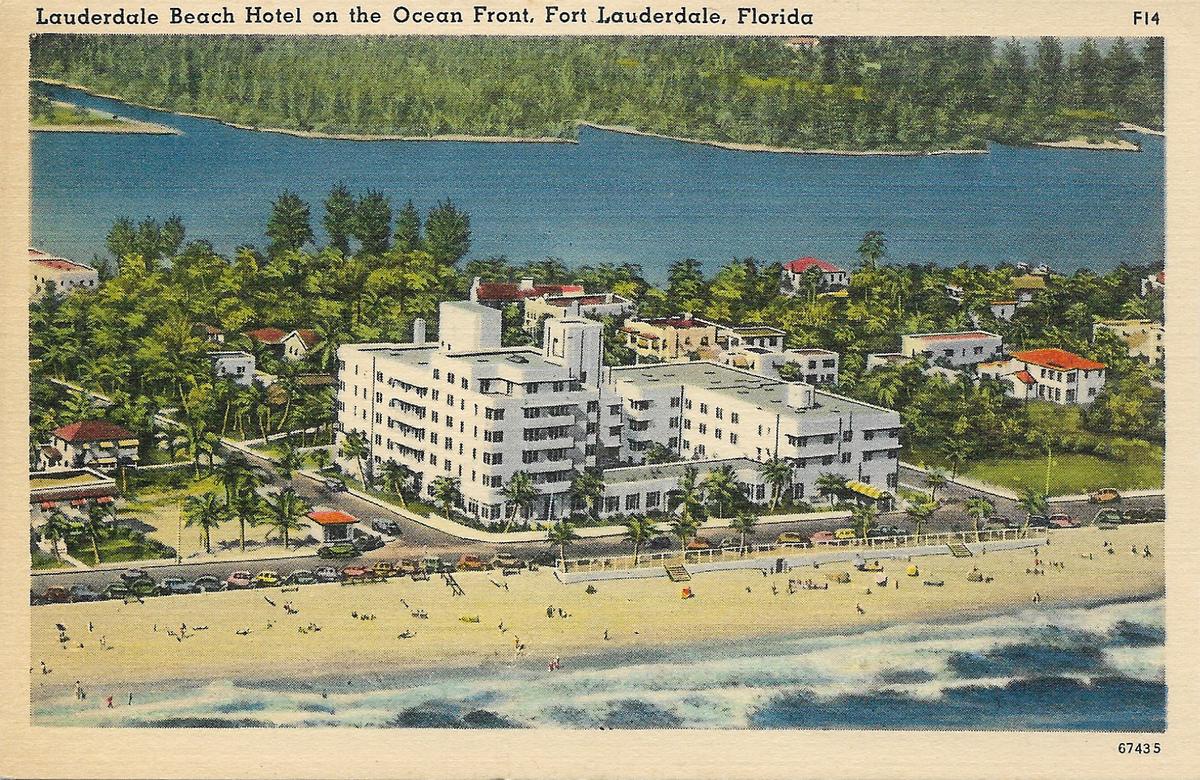

Fort Lauderdale Beach Strip: A1A from Sunrise to Oakland Park
What You Get On The Strip
The beach strip from Sunrise Boulevard north to Oakland Park Boulevard is the classic oceanfront zone. Book here if your priority is sand and surf within a three-minute walk of your hotel room. Resorts line both sides of A1A. The street manages to feel polished and a little chaotic, with pedestrians, cyclists, and cars competing for space. In low season, May through November, a beach strip room runs $150 to $300 per night. In high season, December through April, that range jumps to $350 to $800 or more. Christmas week, New Year's week, Presidents' Day week, and the spring break stretch from mid-February through late March command the highest rates, often double or triple the low-season price.
The Hidden Costs
The downside is the cost beyond the room. Every beach strip hotel adds a resort fee of $35 to $55 per night plus tax, according to the 2024 figures published by the Broward County Hotel Association. Self-parking adds another $35 to $55 per night. Valet parking adds $10 to $20 on top of that. A four-night stay in a $400 room can easily cost $500 or more after fees and parking. The beach strip is also not the place for spontaneous bar-hopping. Most of the nightlife is concentrated in a few blocks near Las Olas, and the beach north of about Sunrise Boulevard gets quiet after dinner. You need a car or the Sun Trolley to reach the dining and bar scene on Las Olas. The trolley is free but runs on an infrequent schedule. Use a car for anything time-sensitive.
Las Olas Boulevard: Dining and Shopping Walkability
Stay Here For The Evening Scene
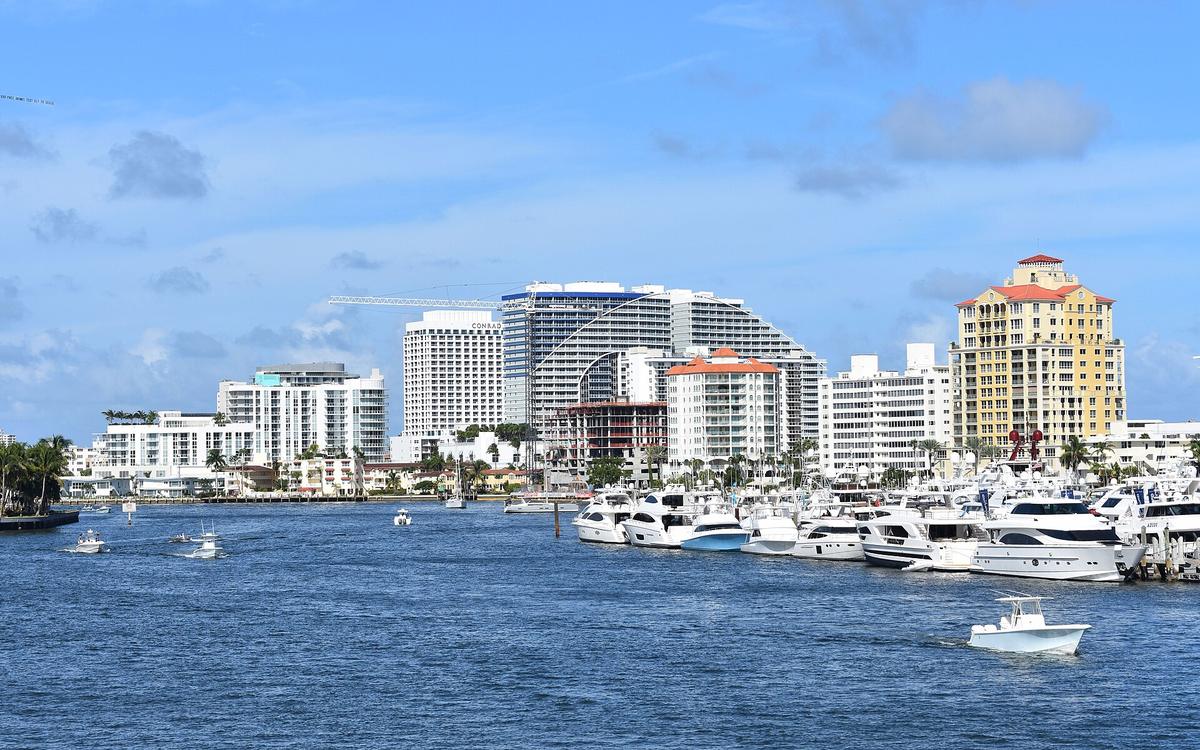
Las Olas, from Southeast 15th Avenue to Southeast 3rd Avenue, is the dining and shopping artery of the city. Stay here if you want to step out of your hotel and be on a sidewalk lined with al-fresco restaurants, art galleries, and boutiques. The hotel count is lower here than on the beach strip, which means fewer options and higher prices. Low-season rates run $200 to $400 per night. High-season rates run $400 to $900 or more. Resort fees run $25 to $40 per night, and self-parking costs $25 to $45 per night. The same high-season peak weeks apply.
The trade-off is beach access. Las Olas is on the mainland, not the barrier island. The beach is a 10 to 15 minute car trip away, costing $15 to $25 each way. If you plan to spend every day on the sand, this adds a per-day transport cost that eats into your budget. But if you value a proper dinner scene that stays open past 9 p.m., Las Olas delivers. The street has a genuine pedestrian rhythm, which the beach strip lacks. Arrive by 8 p.m. for dinner, or tables at the popular spots fill.
Skip Downtown For Vacation
Downtown Fort Lauderdale, roughly bounded by Broward Boulevard, Federal Highway, Southeast 6th Street, and Andrews Avenue, sits just south of Las Olas but feels different. The daytime crowd is business and convention traffic. The Himmarshee nightlife strip has a modest energy. It is not a destination in itself. Low-season rates run $150 to $300 per night, high-season $250 to $500. Resort fees run $20 to $35 per night. If you are in town for a conference or a cruise, downtown works. If you are here for vacation, skip it and pick Las Olas or the beach.
Wilton Manors and Victoria Park: LGBTQ+ Nightlife and Quiet Residential Blocks
Wilton Manors is the concentrated heart of LGBTQ+ nightlife in the region. The main drag, Wilton Drive, fills with bars, restaurants, and drag shows that stay active late. This is the neighbourhood for walkable nightlife of a specific and celebrated kind. Accommodation options here are mostly smaller boutique hotels, guesthouses, and vacation rentals. Vacation rentals are subject to a mandatory Broward County license, a $350 annual fee from the county's Environmental and Consumer Protection Division, a fire safety inspection before issuance, and a total tax of 12 percent (6 percent state sales tax plus 6 percent county tourist development tax). The minimum rental in Fort Lauderdale is three consecutive nights in single-family zones and one night in multi-family zones. Verify the current rules with the city before booking. Rates vary widely, but expect to pay beach-adjacent prices for the good properties.
Victoria Park, the quiet, leafy residential pocket west of A1A, offers no hotel density. It is a residential neighbourhood where you might find a vacation rental or a spare room. The appeal is a calm, flat-terrain base near the beach without the noise of the strip. The downside: you need a car for everything. Walkability is zero.
.jpg)
The False Economy of Inland Hotels: I-95 and Plantation
The Transport Trap
This is the most common mistake travellers make. You find a hotel near I-95 or in Plantation for $80 to $120 per night in low season. The address says Fort Lauderdale. The price seems too good to pass up. Then you realize the beach is a 20-minute, $25 car trip away with no scenic walking route. A family of four making two round trips to the beach per day spends $100 daily on transport. Over four days that is $400. That covers the difference to a beach strip room and its parking and resort fees. The airport cruise-port hotel zone, around Southeast 17th Street and Griffin Road, runs $100 to $200 in low season and $180 to $350 in high season, with resort fees of $0 to $20. That zone makes sense only if your trip is entirely about a cruise departure or a late flight arrival. For a beach vacation, it is a compromise that saves money but costs time and convenience.
Cheaper Beach Alternatives
For travellers who absolutely cannot afford the beach strip, Hollywood Beach offers a cheaper alternative. The hotel zone along A1A from Sheridan Street north to Dania Beach Boulevard runs $120 to $250 per night in low season and $250 to $500 in high season. Resort fees run $25 to $40, self-parking $15 to $30. Hollywood Beach has a retro, walkable beach town feel with a pier, a broad promenade, and a lively but less polished scene than Fort Lauderdale Beach. The trade-off is distance. Hollywood Beach is a 15 to 20 minute drive south of Fort Lauderdale's main attractions. If your trip is beach-only, it works. If you plan to explore Las Olas, Wilton Manors, or the Riverwalk, those trips add up.
Pompano Beach, from Atlantic Boulevard north to Northeast 14th Street, runs $100 to $250 per night in low season and $200 to $450 in high season, with the lowest resort fees in the region at $15 to $30. It is quiet, less crowded, and a good choice for retirees and families who want a slower pace. But it is a 15 minute drive north of Fort Lauderdale proper, and the dining scene is thin. You are trading city energy for space and lower costs.
Local Friction You Need to Budget for
Costs That Hit After Check-In
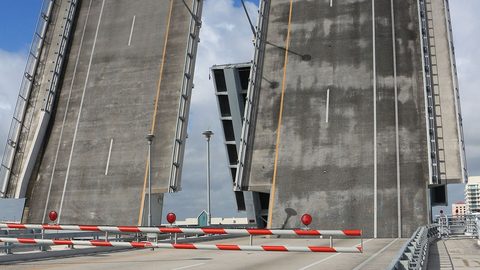
Every neighbourhood has hidden costs. Sargassum seaweed hits the beach from May through October, creating a rotten-egg smell that can drive you indoors. The Intracoastal Waterway drawbridges operate on strict timed schedules; a mistimed walk or drive can leave you stranded for 10 to 15 minutes. Parking on Fort Lauderdale Beach is a battle of apps and aggressive enforcement. A single afternoon runs $20 to $30. The sun is deceptively intense in the constant ocean breeze. Burns happen even on overcast winter days. Public Wi-Fi along the beachfront and Riverwalk is patchy. Rideshare apps are essential, so a U.S. data plan or eSIM with strong coverage is non-negotiable. Waiting for a taxi on the street is a losing game.
Timing Your Stay
Visiting between late May and June? You face the start of the wet season with daily afternoon downpours, oppressive humidity, and the risk of early-season tropical storms. The Fort Lauderdale International Boat Show in late October or early November spikes hotel prices and gridlocks the 17th Street Causeway area. Avoid that week unless you are attending the show.
The honest truth: Fort Lauderdale is not a budget destination from December through April. A decent beach strip hotel for two people, with fees and parking, will cost $450 to $900 per night in high season. If that number stings, shift your trip to May or September, when rates drop and the weather, while humid, is still beach-viable. Or accept that the inland hotel will cost you in time and money. Neighbourhood choice is the single most consequential decision. Make it with your eyes open.
Common Questions
Which neighbourhood has the best walkable nightlife?
Wilton Manors along Wilton Drive for LGBTQ+ nightlife. Las Olas for upscale dining and bars. The beach strip has scattered bars but no concentrated walkable scene. Downtown Himmarshee is modest.
Is staying near I-95 a bad idea for a beach trip?
Yes, unless your budget is extremely tight. The beach is a 20 minute, $25 car trip each way with no walking route. A family making two daily round trips adds $100 to $200 per day in transport alone.
What is the cheapest neighbourhood with beach access?
Hollywood Beach, just south of Fort Lauderdale, runs $120 to $250 per night in low season. Pompano Beach to the north runs $100 to $250. Both are quieter and farther from downtown attractions.
How much should I budget for resort fees and parking?
On the beach strip, budget $35 to $55 per night for resort fees and $35 to $55 for self-parking. On Las Olas, $25 to $40 for fees and $25 to $45 for parking. Downtown fees are $20 to $35.
Read next
-
 Fort Lauderdale Hotels Beach Towers Boutique Stays and Marina Resorts
Fort Lauderdale hotels range from A1A beach towers to Intracoastal marina resorts and Wilton Manors guesthouses. Here is which category fits your trip and what each costs.
Fort Lauderdale Hotels Beach Towers Boutique Stays and Marina Resorts
Fort Lauderdale hotels range from A1A beach towers to Intracoastal marina resorts and Wilton Manors guesthouses. Here is which category fits your trip and what each costs.
-
 Flying to Fort Lauderdale and Why FLL Beats MIA for the Beach
FLL puts you 15 minutes from the Fort Lauderdale beach for a $25 ride. MIA is a backup option with a longer drive north. Here is how to choose and what the fare gap really buys you.
Flying to Fort Lauderdale and Why FLL Beats MIA for the Beach
FLL puts you 15 minutes from the Fort Lauderdale beach for a $25 ride. MIA is a backup option with a longer drive north. Here is how to choose and what the fare gap really buys you.
-
 Things to Do in Fort Lauderdale Waterways Arts and Everglades Edge
Fort Lauderdale is built around its waterways, arts warehouses, and proximity to the Everglades. Here is a three-day plan that connects the city beyond the beach.
Things to Do in Fort Lauderdale Waterways Arts and Everglades Edge
Fort Lauderdale is built around its waterways, arts warehouses, and proximity to the Everglades. Here is a three-day plan that connects the city beyond the beach.
-
 Best Time to Visit Fort Lauderdale and When to Stay Away
Fort Lauderdale shines December through April, but sargassum seaweed, humidity, and the Boat Show price spike make other months a gamble. Here is when to book and when to avoid.
Best Time to Visit Fort Lauderdale and When to Stay Away
Fort Lauderdale shines December through April, but sargassum seaweed, humidity, and the Boat Show price spike make other months a gamble. Here is when to book and when to avoid.
-
 Getting Around Fort Lauderdale Without Wasting Afternoon Parking Fees
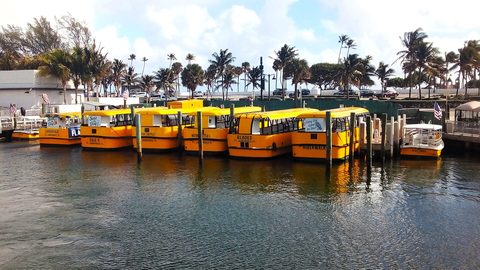
From the scenic Water Taxi and unreliable Sun Trolley to ride-hailing dominance and drawbridge traps, here is how getting around Fort Lauderdale actually works.
Getting Around Fort Lauderdale Without Wasting Afternoon Parking Fees
From the scenic Water Taxi and unreliable Sun Trolley to ride-hailing dominance and drawbridge traps, here is how getting around Fort Lauderdale actually works.
-
 Fort Lauderdale Itinerary for 2, 3, or 5 Days Without Rushing
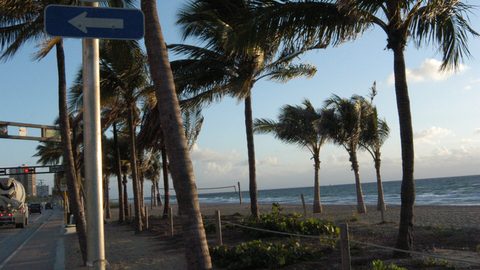
A practical Fort Lauderdale itinerary for two, three, or five days that balances the beach, the Everglades, and the dining scene without burning half your trip in traffic.
Fort Lauderdale Itinerary for 2, 3, or 5 Days Without Rushing
A practical Fort Lauderdale itinerary for two, three, or five days that balances the beach, the Everglades, and the dining scene without burning half your trip in traffic.
-
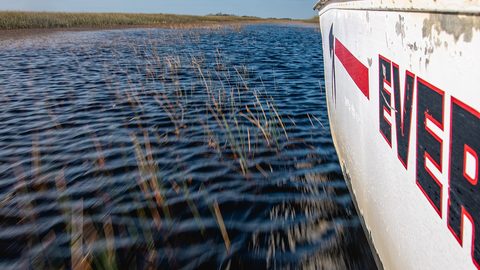 The Everglades
Compare Everglades Holiday Park airboats and Shark Valley's tram loop for a day trip from Fort Lauderdale, with honest drive times and what to expect.
The Everglades
Compare Everglades Holiday Park airboats and Shark Valley's tram loop for a day trip from Fort Lauderdale, with honest drive times and what to expect.
-
 Broward Center for the Performing Arts
Navigate the Broward Center's theaters, parking, and Broadway season so a show night in downtown Fort Lauderdale goes smoothly.
Broward Center for the Performing Arts
Navigate the Broward Center's theaters, parking, and Broadway season so a show night in downtown Fort Lauderdale goes smoothly.
-
 Flamingo Gardens
 in Davie combines a botanical sanctuary of champion trees with a wildlife refuge and a narrated tram ride west of Fort Lauderdale.
Flamingo Gardens
Flamingo Gardens in Davie combines a botanical sanctuary of champion trees with a wildlife refuge and a narrated tram ride west of Fort Lauderdale.