Flamingo Gardens: The Sanctuary, the Champion Trees, and the Narrated Tram
Flamingo Gardens in Davie combines a botanical sanctuary of champion trees with a wildlife refuge and a narrated tram ride west of Fort Lauderdale.
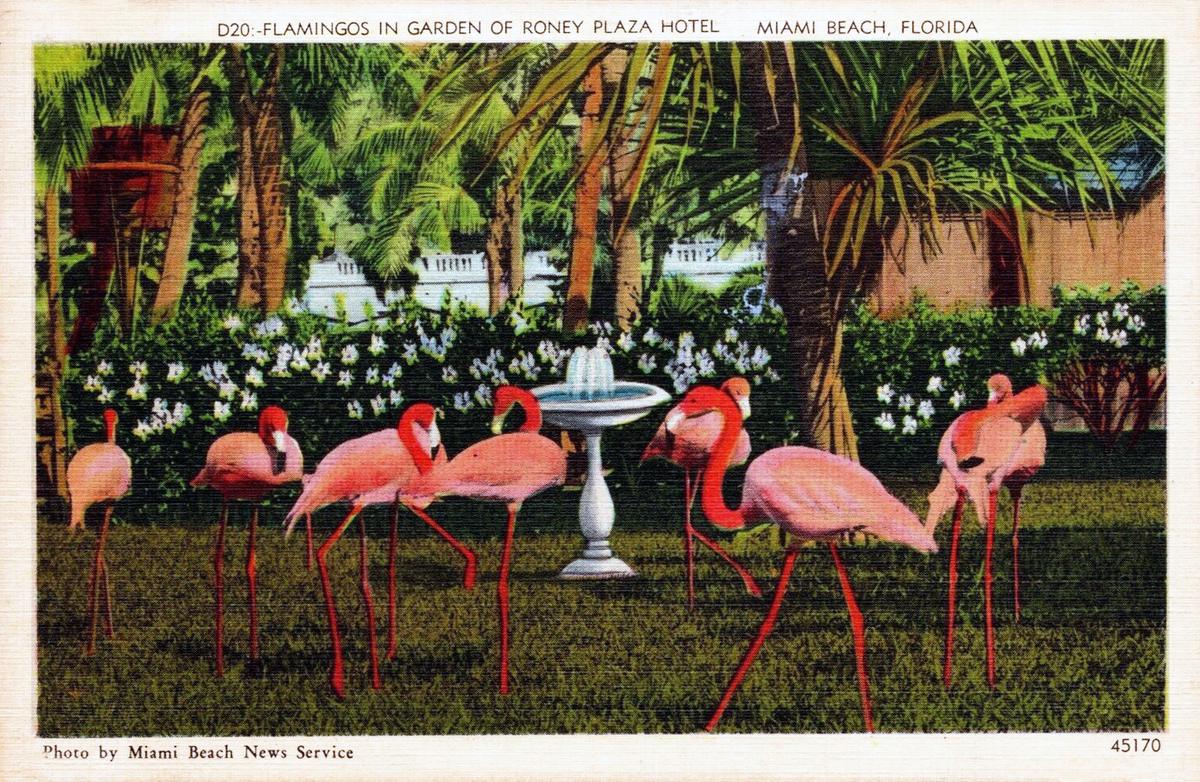

Flamingo Gardens is 15 Miles West of the Beach, and That is Exactly Why You Should Go
You fly into Fort Lauderdale expecting sand and saltwater. You get that. What you do not expect is a 60 acre botanical garden and wildlife sanctuary in the middle of Davie, a suburb better known for horse farms and University of Florida extension offices than tourist attractions. Flamingo Gardens is the inland trek that justifies the ride hail fare and the 25 minute drive west. Skip it and you have seen the beach. Make the trip and you have seen a piece of old South Florida that the A1A strip cannot touch.
Go for the tree collection. The property holds multiple state Champion Trees, the largest known specimens of their species. The standout is a cluster fig, a Ficus racemosa, that is the biggest in the state. You cannot see that from a beach chair. You cannot see it from an airboat either. Walk straight to it, stand under its canopy, and you will understand why the champion tree program exists in the first place.
- Address: 3750 S Flamingo Road, Davie, FL 33330
- Distance from Fort Lauderdale: Approx 15 miles west
- Size: 60 acres
- Founded: Original homestead established 1927 by Floyd L. and Jane Wray
- Type: Not for profit botanical garden and wildlife sanctuary
- Wildlife Focus: Permanently injured or non releasable native Florida species
- Residents: 2 Florida panthers, bobcats, river otters, American alligators, over 250 wading birds in a 25,000 sq ft free flight aviary
- Champion Trees: Multiple Florida Champion Trees on site, including the state's largest cluster fig (Ficus racemosa)
- Tram Tour: 25 30 minute narrated tram tour included in admission
- Wray Home Museum: 1933 historic home, self guided tour included in admission
- Hours: 9:30 AM to 5:00 PM daily, last entry 4:00 PM. Closed Thanksgiving and Christmas.
- Admission (2025 Rates): Adults 12+ USD 24.95, Children 3 11 USD 17.95, Toddlers 0 2 free
- Typical Visit: 2 to 3 hours
- Suitability: Families, wildlife viewers, garden enthusiasts
- Getting There: Ride hail from Fort Lauderdale Beach approx 25 minutes, USD 25 35 one way
The Champions and the Fig: Why Flamingo Gardens Matters
Flamingo Gardens was never a theme park. Floyd and Jane Wray homesteaded this land in 1927, before the canals were cut, before the yachts arrived. They planted trees. Those trees grew. Nobody had the bright idea to clear the lot for condominiums, so the garden now holds specimens that are biologically irreplaceable.
Walk the paved paths toward the champion cluster fig first. It sits near the back of the property, a sprawling beast of aerial roots and trunk mass that makes every other tree in the park look like a sapling. The designation means this fig is the largest of its kind measured in the state. That is not a marketing slogan. That is a fact certified by arborists. Spend ten minutes walking around it, looking up, trying to find the main trunk among the secondary trunks that have dropped from its branches. You will not succeed.
The garden also holds champion specimens of other species. Look for the labels at the base of each tree. The collection includes a weeping fig, a black olive, a Java plum. Each one carries its status on a small metal plaque. No canopy walk, no zip line, no interpretive light show. Just the tree.
The Free Flight Aviary and the Peacocks
The wildlife sanctuary is the second reason to drive west. The centerpiece is the 25,000 square foot free flight aviary, a screened enclosure that holds over 250 wading birds. Wood storks, roseate spoonbills, ibis, herons, and flamingos. Step inside. The birds stay put. They are habituated. Most are permanently injured, birds that cannot survive in the wild but are perfectly fine standing two feet from your elbow while you take a photograph.
Outside the aviary, the peacocks run the grounds. They are not caged. They wander the walkways, perch on garden benches, scream at intervals that sound like a cat being stepped on. They will follow you if you have food, ignore you if you do not.
What the Tram Tour Actually Covers
The narrated tram tour runs 25 to 30 minutes and is included in admission. It loops through the cultivated gardens, past the champion trees, and into a section of the property that feels closer to the Everglades than to the manicured entrance. Your guide points out the panther enclosure, the bobcat habitat, and the alligator pond. You see more from the tram than you would on foot because the property is larger than it looks from the parking lot. Board at the station near the main entrance, not at the back of the garden. The wait seldom exceeds ten minutes.
The Panthers, the Bobcats, and Why You Should Skip the Food Court
Two panthers live in a large fenced enclosure visible from the tram. These are not exhibit animals brought in from a breeder. They are wild cats that were hit by cars, injured, and deemed non releasable by state wildlife authorities. The sanctuary does not breed them. It does not hand feed them for shows. You will see them sleeping in the shade or pacing the fence line at feeding time. That is the extent of the encounter, and it is exactly the right amount.
The bobcats and river otters live in separate enclosures near the back of the sanctuary. The otters are active during the morning hours. Arrive at 9:30 AM when the gates open and you will see them swimming. Arrive at 3:00 PM and you will see them napping in a hollow log.
What to Skip
The on site cafe serves standard theme park food: hot dogs, chicken fingers, frozen lemonade. It is edible but not worth planning around. Pack a sandwich and eat at one of the shaded picnic tables near the aviary. The Wray Home Museum, the original 1933 homestead, is included in admission and takes fifteen minutes to walk through. It is furnished with period pieces and gives context to the property's history. Worth doing if you have the time. Not worth rushing the trees for.
Do not buy a third party ticket. The official 2025 admission rate was USD 24.95 for adults and USD 17.95 for children ages 3 to 11, paid at the entrance or through the garden's own website. Third party resellers tack on fees and sometimes sell vouchers that require a separate redemption window. Walk up to the main gate, pay the standard rate, and keep the transaction simple.
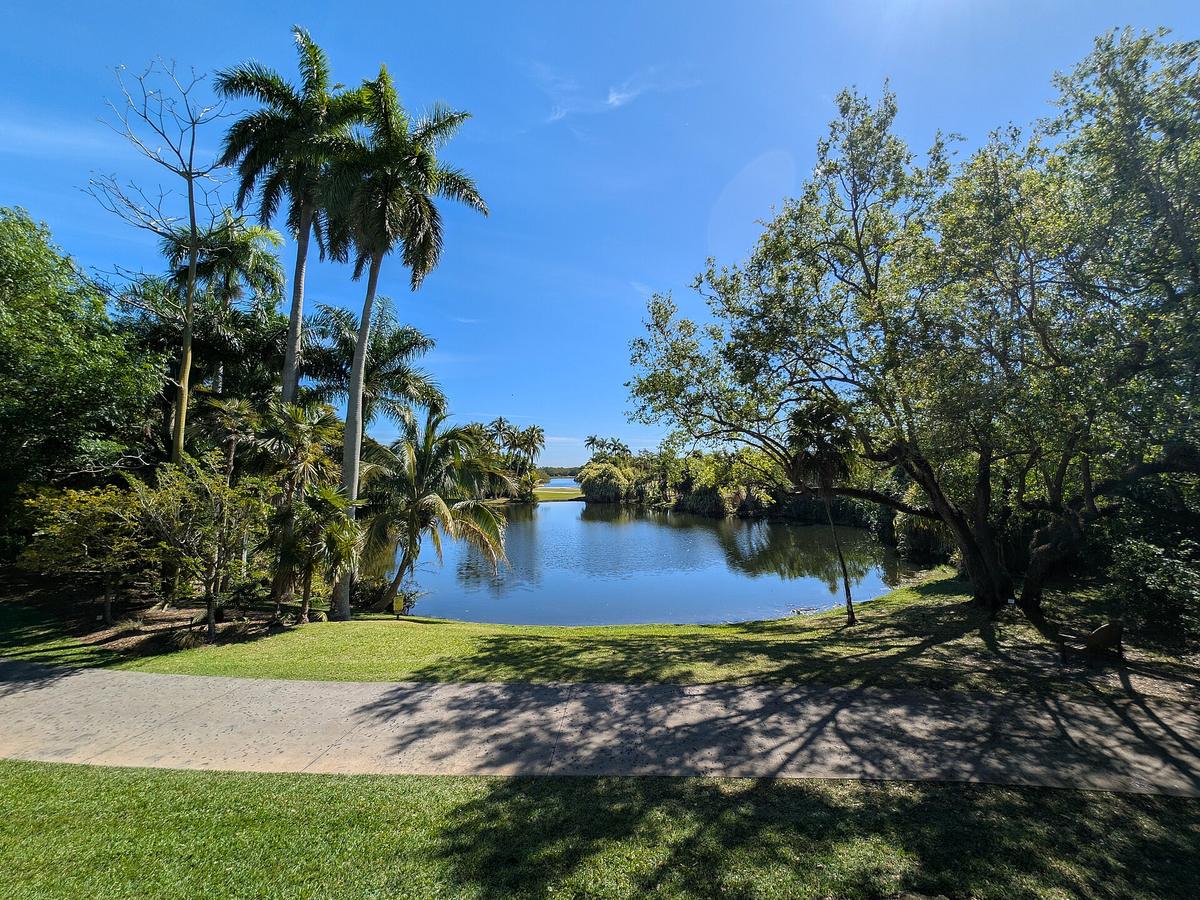

How to Fit Flamingo Gardens Into a Fort Lauderdale Trip
Do not attempt this on the same day you do the Everglades. Both are west of the city, but the Everglades requires a half day or more, and the combination leaves you driving between two distant attractions with no lunch break. Use Flamingo Gardens as the morning activity on a day when the beach forecast calls for clouds or scattered rain. The canopy of the champion trees and the screened aviary keep you dry during a passing shower. The property is also fully shaded, which matters more than you expect. The sun in Fort Lauderdale burns through clouds and through a layer of sunscreen you thought was adequate.
Budget for the ride hail. A trip from the central beach area runs USD 25 to 35 each way. Do not try the Broward County Transit bus. The Route 1 bus exists, but it involves a transfer and a walk from the stop on Flamingo Road. Ride hail is the only practical option unless you rented a car specifically for the inland portion of your trip.
Plan for a 2 to 3 hour visit. That is enough time to walk the aviary, see the panthers, ride the tram, and spend ten minutes with the cluster fig. If you have children under ten, tack on an extra thirty minutes for the playground area near the entrance.
Davie, Not Fort Lauderdale Beach
The address is 3750 S Flamingo Road, Davie, FL 33330. Plug it into your ride hail app exactly as written. Typing Flamingo Gardens into the app without the city name may route you to a residential street with the same name in a different suburb. The entrance is marked by a large sign and a parking lot that fills slowly outside of holiday periods. The garden closes at 5:00 PM with last entry at 4:00 PM. Arrive by 10:00 AM and you will have the peacocks to yourself for the first hour.
Common Questions
Is Flamingo Gardens the same as the Everglades?
No. Flamingo Gardens is a 60 acre botanical garden and wildlife sanctuary in Davie, 15 miles west of Fort Lauderdale Beach. The Everglades are a separate national park ecosystem 40 to 60 minutes west. Flamingo Gardens does not offer airboat rides. The animals here are permanent sanctuary residents, not wild populations.
Do I need a rental car to get to Flamingo Gardens?
No, but you need a ride hail app. A trip from the central beach area costs USD 25 to 35 each way and takes about 25 minutes. The public bus is impractical with a transfer and a walk from the stop.
How long does the tram tour take?
The narrated tram tour runs 25 to 30 minutes. It is included in admission and loops past the champion trees, the panther enclosure, and the wetlands section of the property.
Can I see flamingos at Flamingo Gardens?
Yes. Flamingos are housed inside the 25,000 square foot free flight aviary along with over 250 other wading birds including wood storks and roseate spoonbills.
What are the 2025 admission prices?
Adults ages 12 and older pay USD 24.95. Children ages 3 to 11 pay USD 17.95. Toddlers ages 0 to 2 are free. These were the rates set by the garden for 2025.
Is Flamingo Gardens open every day?
Flamingo Gardens is open daily from 9:30 AM to 5:00 PM with last entry at 4:00 PM. It is closed on Thanksgiving Day and Christmas Day.
Is Flamingo Gardens suitable for young children?
Yes. The property is flat, the paths are paved and shaded, and there is a playground near the entrance. The aviary and peacocks hold the attention of most children under ten. Budget 2.5 to 3 hours with kids.
Read next
-
 Fort Lauderdale Hotels Beach Towers Boutique Stays and Marina Resorts
Fort Lauderdale hotels range from A1A beach towers to Intracoastal marina resorts and Wilton Manors guesthouses. Here is which category fits your trip and what each costs.
Fort Lauderdale Hotels Beach Towers Boutique Stays and Marina Resorts
Fort Lauderdale hotels range from A1A beach towers to Intracoastal marina resorts and Wilton Manors guesthouses. Here is which category fits your trip and what each costs.
-
 Where to Stay in Fort Lauderdale Beach Las Olas Wilton Manors and Beyond
Where you stay in Fort Lauderdale defines your entire trip. Compare the beach strip, Las Olas, Wilton Manors, and the inland options that look close on a map but are not.
Where to Stay in Fort Lauderdale Beach Las Olas Wilton Manors and Beyond
Where you stay in Fort Lauderdale defines your entire trip. Compare the beach strip, Las Olas, Wilton Manors, and the inland options that look close on a map but are not.
-
 Flying to Fort Lauderdale and Why FLL Beats MIA for the Beach
FLL puts you 15 minutes from the Fort Lauderdale beach for a $25 ride. MIA is a backup option with a longer drive north. Here is how to choose and what the fare gap really buys you.
Flying to Fort Lauderdale and Why FLL Beats MIA for the Beach
FLL puts you 15 minutes from the Fort Lauderdale beach for a $25 ride. MIA is a backup option with a longer drive north. Here is how to choose and what the fare gap really buys you.
-
 Things to Do in Fort Lauderdale Waterways Arts and Everglades Edge
Fort Lauderdale is built around its waterways, arts warehouses, and proximity to the Everglades. Here is a three-day plan that connects the city beyond the beach.
Things to Do in Fort Lauderdale Waterways Arts and Everglades Edge
Fort Lauderdale is built around its waterways, arts warehouses, and proximity to the Everglades. Here is a three-day plan that connects the city beyond the beach.
-
 Best Time to Visit Fort Lauderdale and When to Stay Away
Fort Lauderdale shines December through April, but sargassum seaweed, humidity, and the Boat Show price spike make other months a gamble. Here is when to book and when to avoid.
Best Time to Visit Fort Lauderdale and When to Stay Away
Fort Lauderdale shines December through April, but sargassum seaweed, humidity, and the Boat Show price spike make other months a gamble. Here is when to book and when to avoid.
-
 Getting Around Fort Lauderdale Without Wasting Afternoon Parking Fees
From the scenic Water Taxi and unreliable Sun Trolley to ride-hailing dominance and drawbridge traps, here is how getting around Fort Lauderdale actually works.
Getting Around Fort Lauderdale Without Wasting Afternoon Parking Fees
From the scenic Water Taxi and unreliable Sun Trolley to ride-hailing dominance and drawbridge traps, here is how getting around Fort Lauderdale actually works.
-
 The Everglades
Compare Everglades Holiday Park airboats and Shark Valley's tram loop for a day trip from Fort Lauderdale, with honest drive times and what to expect.
The Everglades
Compare Everglades Holiday Park airboats and Shark Valley's tram loop for a day trip from Fort Lauderdale, with honest drive times and what to expect.
-
 Broward Center for the Performing Arts
Navigate the Broward Center's theaters, parking, and Broadway season so a show night in downtown Fort Lauderdale goes smoothly.
Broward Center for the Performing Arts
Navigate the Broward Center's theaters, parking, and Broadway season so a show night in downtown Fort Lauderdale goes smoothly.
-
 Bonnet House Museum & Gardens
Bonnet House in Fort Lauderdale pairs a historic artist estate with free-roaming monkeys, orchid gardens, and mangrove trails—advance booking is essential.
Bonnet House Museum & Gardens
Bonnet House in Fort Lauderdale pairs a historic artist estate with free-roaming monkeys, orchid gardens, and mangrove trails—advance booking is essential.