A Straight-Talking Guide to Fort Lauderdale's Canals and Coast
A practical Fort Lauderdale travel guide covering the canals, the beach strip, the water taxi, and why this boating city works best for a specific kind of trip.
- Flag
-
- ISO code
- US
- Population
- 183,146
- Currency
- USD
- Timezone
- America/New_York
Fort Lauderdale’s Split Personality
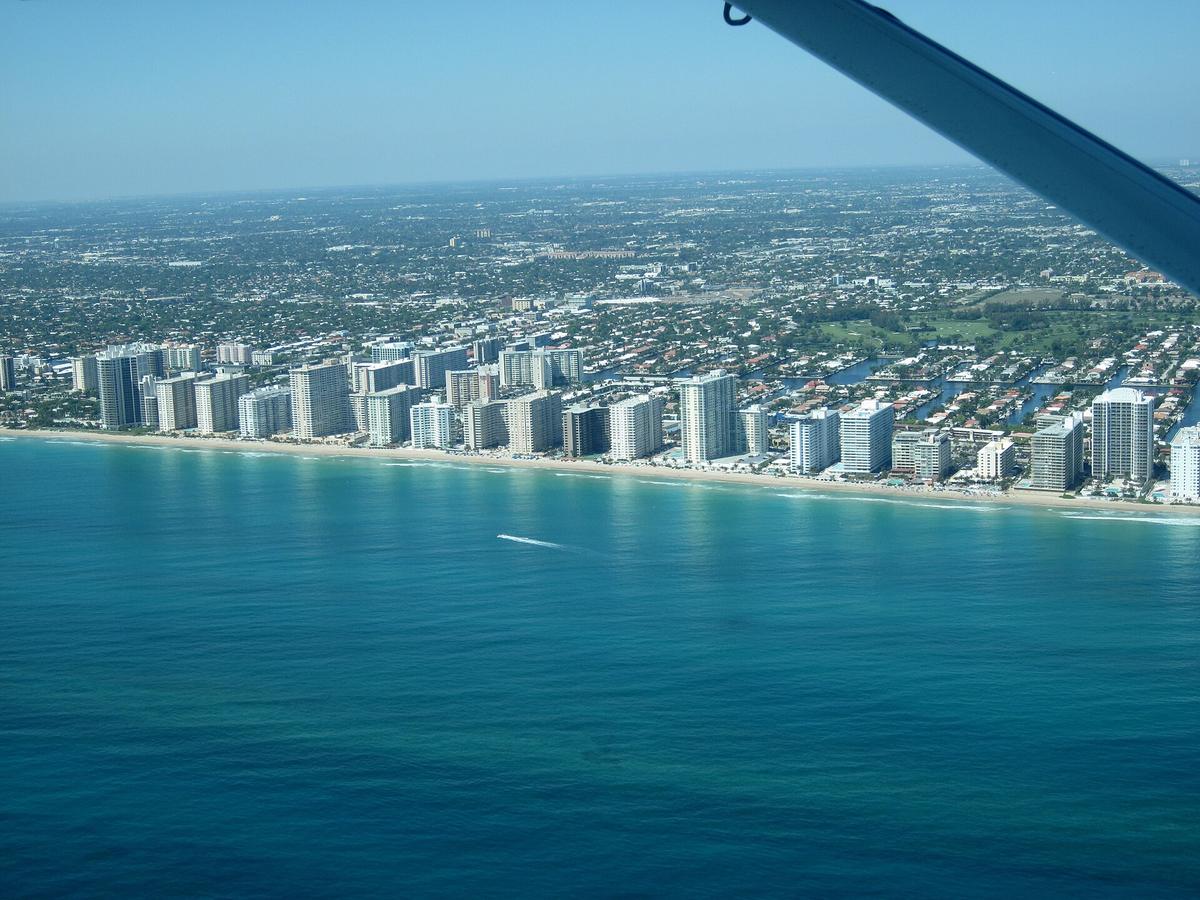
Most first-time visitors expect a smaller, calmer version of Miami. They get something stranger. Fort Lauderdale is a polished, navigable beach city where the main drag, A1A, runs like a resort spine, and where the business district goes quiet after the office workers leave. The spring break chaos of 350,000 students in 1985 was broken by a 1986 ordinance banning open containers on the beach. What replaced it is a city built around boats. With roughly 165 miles of navigable canals inside city limits and about 300 miles of total waterways including the Intracoastal and rivers, this is a place that moves on water, not on foot. The nickname Venice of America is accurate if you imagine Venice with ride hailing and a sunburn problem.
The central calculation for any traveler is direct: should you pick Fort Lauderdale over Miami, Tampa, or the Gulf Coast? Yes, if you are a boater, a yachting enthusiast, an LGBTQ+ traveller seeking an established resort scene, a family wanting a tamer beach option, a cruise passenger using Port Everglades, or a retiree who values flat terrain and upscale leisure. No, if you want underground culture, dense urban history, budget backpacker circuits, or consistent surf. The reef blocks most swell. The city is car dependent. The beach is seven continuous miles on a single barrier island, and you will spend money on ride hailing if you stay inland. Self select honestly before you book.
.jpg)
- Nickname: Venice of America
- Navigable canals within city limits: ~165 miles
- Total waterways (canals + Intracoastal + rivers): ~300 miles
- Port Everglades cruise passengers (2024): 4.0 million (Port Everglades)
- Registered boats in Broward County: ~45,000
- Public beach length: 7 miles on contiguous barrier island
- FLL passenger volume (2024): ~35 million
- Peak season: December through April
- Minimum recommended stay: 3 full days
Arrival, Getting Around, and the Car Reality
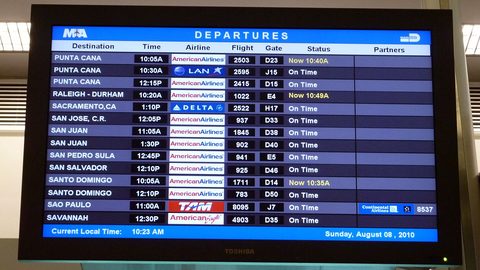
Fly into Fort Lauderdale Hollywood International Airport, code FLL, about 4 miles from the beach and 2 miles from Port Everglades. A ride hail from the designated pick up zone to the central beach area takes 15 to 25 minutes and costs $25 to $40. The public option is Broward County Transit Route 1 bus, which runs from the airport to the central bus terminal in about half an hour for $2. Do not take it with heavy luggage. Miami International Airport is a secondary gateway, 30 miles south, with a driving time of 45 to 90 minutes depending on traffic. Do not assume MIA is cheaper to fly into. The ride to Fort Lauderdale beach wipes out the savings.
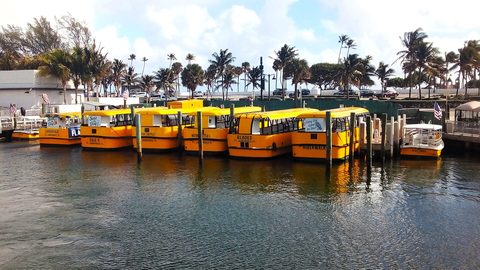
Getting around requires accepting the car dependence. Ride hail is the dominant local mode. The free LauderGO! shuttle and the Sun Trolley serve beach and city centre loops, but their infrequent schedules will trip you up. The trolley is not a reliable hop on hop off service for a tight itinerary. Rent a car if you plan to reach the wetlands, Sawgrass Mills Mall, or any suburb. The water taxi is the one exception. Buy the all day pass for $35 and use it to traverse the Intracoastal and New River. It covers about 15 miles of route with roughly 20 stops. Operating hours are 10:00 to 22:00, varying by season. It is practical, scenic, and worth the money.
The common mistake is booking a hotel deep inland near I 95 or in Plantation under the assumption it is a quick walk to the ocean. It is not. That inland hotel is a 20 minute, $25 ride hail from the beach with no scenic walking route. Stay on the barrier island or along Las Olas Boulevard if you want walkable access. That is the trade off. You pay more for the location, but you save time and frustration.
The Districts and What Each One Delivers
Fort Lauderdale is not a single walkable city. It is a collection of distinct zones, each with a different purpose. Match your lodging to your itinerary, or you will spend your trip in a car.
Fort Lauderdale Beach
The classic oceanfront strip of resorts and bars along A1A. This is where you stay if you want sand and surf within a two minute walk. The beach is wide, clean, and patrolled. The Intracoastal Waterway runs parallel on the west side of the barrier island, so you can walk from the ocean to the water taxi in under ten minutes. Park at Fort Lauderdale Beach Park for courts and picnic groves, or at Las Olas Oceanside Park for the weekend markets. Do not expect a quiet residential feel. Expect crowds, noise, and high prices.
Las Olas Boulevard
The upscale shopping and dining artery, roughly 2.5 miles from the city centre to the beach. This is where you go for al fresco dining, boutique shopping, and a polished night out. The eastern end meets the beach. The western end meets the business district. Walk the boulevard between Southeast 6th Avenue and Southeast 12th Avenue for the best concentration of restaurants.
The Business District and Himmarshee
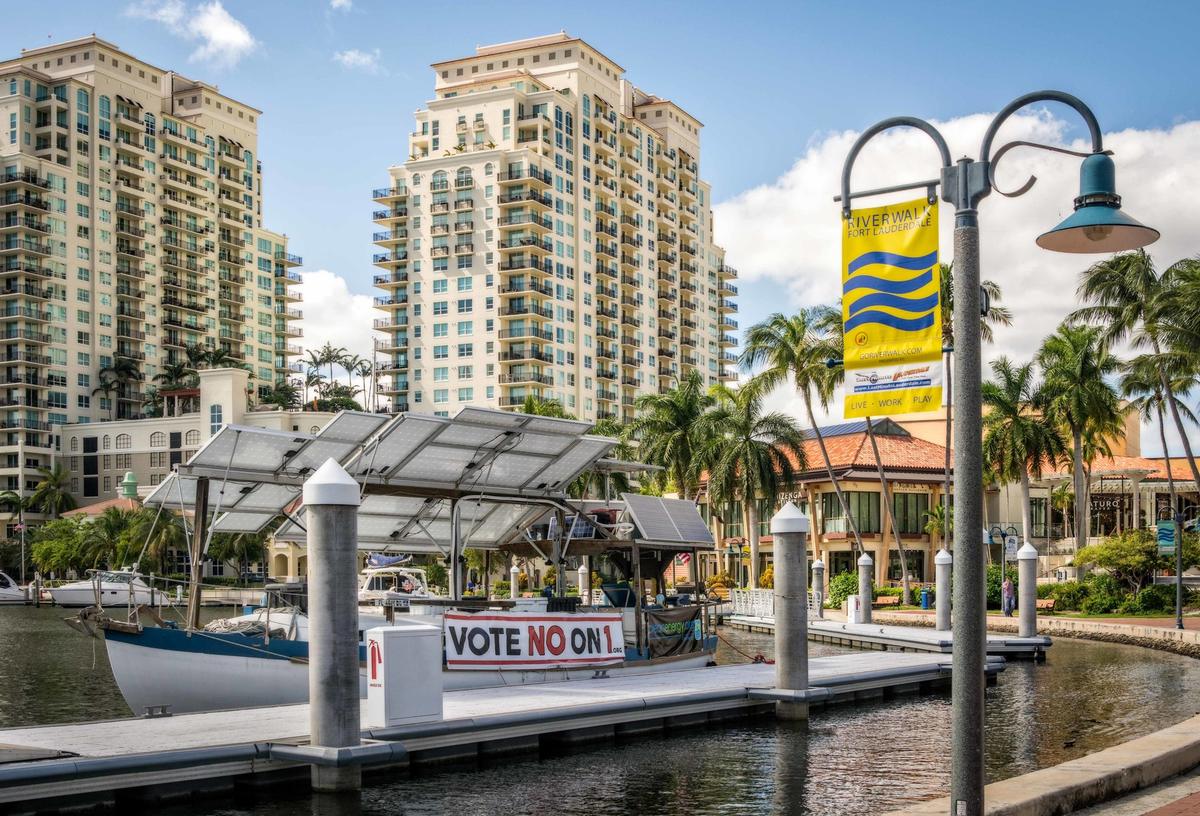
The office core by day, a modest nightlife strip by night on Himmarshee Street. It is quiet outside business hours. Do not book here expecting a buzzing urban core. The Riverwalk linear park along the New River is the best reason to visit the area: brick paved, shaded, and good for an early evening stroll.
Wilton Manors
The concentrated heart of LGBTQ+ nightlife, with a dense strip of bars, restaurants, and clubs along Wilton Drive. It is a separate municipality, but it is a short ride hail from the beach. The Stonewall National Museum and Archives is here. This district is established, visible, and walkable within its own boundaries.
Flagler Village
The emerging arts and warehouse brewery district, north of the business core and west of the barrier island. You go here for craft hazy IPAs in converted industrial spaces, food truck fare, and the FATVillage Arts District gallery walk on the second Saturday of the month. It is not a beach neighbourhood.
Lauderdale by the Sea
A retro, walkable beach town with a pier, north of the main beach strip. It feels like a separate village. The snorkeling at the pier is better than the main beach because the reef is closer to shore. Stay here if you want a quieter, older Florida vibe.
| District | Best For | Walkable To Beach | Nightlife | Car Required |
|---|---|---|---|---|
| Fort Lauderdale Beach | Beach access, resort stays, first timers | Yes | Active until late | No for beach loop, yes for everything else |
| Las Olas Boulevard | Dining, shopping, couples | At eastern end only | Moderate, early closing | No for the boulevard itself |
| Downtown/Himmarshee | Business travellers, Riverwalk | No, 20 min walk or ride | Quiet weeknights, busy weekends | Yes |
| Wilton Manors | LGBTQ+ travellers, nightlife | No, short ride hail | Dense and late | No for the Wilton Drive strip |
| Flagler Village | Brewery lovers, art seekers | No, 15 min ride hail | Low key, early closing | Yes |
| Lauderdale by the Sea | Quiet beachgoers, families | Yes | Minimal | No for the village core |
.jpg)
What to Eat, What to Skip, and Where to Spend Your Time
Order a proper grouper sandwich, blackened or fried, from a beachfront shack like Coconuts. Order stone crab claws, served chilled with mustard sauce, in season from October to May. Order a Key lime pie martini or colada from the beachfront Elbo Room, a Fort Lauderdale institution since 1938. Order whole roasted yellowtail snapper with mojo at a dockside Latin seafood spot. Order a craft hazy IPA with food truck fare inside a Flagler Village brewery. Order conch fritters and a rum runner at a tiki bar along the Intracoastal. These are the meals that belong to this city. Skip the generic Italian chains on the 17th Street Causeway. They are for convention traffic, not for you.
Landmarks Worth Your Time
Prioritize in this order. Bonnet House Museum and Gardens on the barrier island gives you the best look at historic Fort Lauderdale as an artist estate. Book tickets in advance. Hugh Taylor Birch State Park offers coastal hammock trails and lagoon kayaking. Rent a kayak inside the park. Stranahan House, the city's oldest surviving structure from 1901, requires advance booking for tours. Do not show up expecting to walk in. The NSU Art Museum in the city centre is mid sized and contemporary. Skip the Jungle Queen Riverboat unless you have children who will enjoy the kitschy sightseeing cruise. It is a century old tradition, but it is not a good use of a three day trip for adults.
Day Trips That Deliver
You have four solid options. Everglades Holiday Park is a 40 minute drive west for airboat rides and alligator shows. Book the first departure of the day to beat the heat. Shark Valley in the national park is a one hour drive southwest for the 15 mile paved tram loop. The tram sells out. Reserve online. Morikami Museum and Japanese Gardens in Delray Beach is a 35 minute drive north. West Palm Beach, with the Norton Museum and Clematis Street dining, is 50 minutes north via I 95. The high speed Brightline train from the city centre station at 101 NW 2nd Avenue to central Miami takes about 35 minutes. Use it for a car free day trip to Miami, but do not use it as a commute strategy. The station is not near the beach.
What to See in Fort Lauderdale
-
 Bonnet House Museum & Gardens
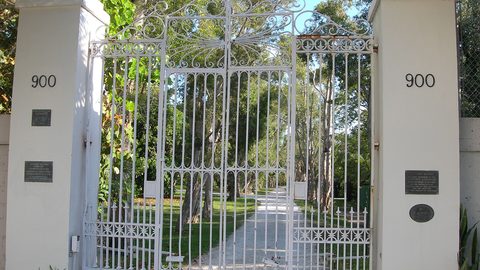
Bonnet House in Fort Lauderdale pairs a historic artist estate with free-roaming monkeys, orchid gardens, and mangrove trails—advance booking is essential.
Bonnet House Museum & Gardens
Bonnet House in Fort Lauderdale pairs a historic artist estate with free-roaming monkeys, orchid gardens, and mangrove trails—advance booking is essential.
-
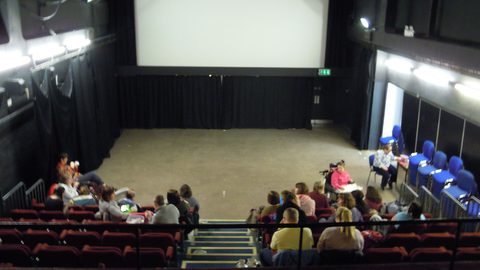 Broward Center for the Performing Arts
Navigate the Broward Center's theaters, parking, and Broadway season so a show night in downtown Fort Lauderdale goes smoothly.
Broward Center for the Performing Arts
Navigate the Broward Center's theaters, parking, and Broadway season so a show night in downtown Fort Lauderdale goes smoothly.
-
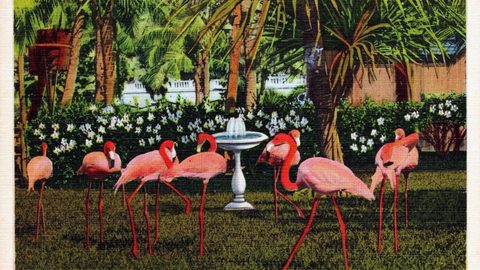 Flamingo Gardens
 in Davie combines a botanical sanctuary of champion trees with a wildlife refuge and a narrated tram ride west of Fort Lauderdale.
Flamingo Gardens
Flamingo Gardens in Davie combines a botanical sanctuary of champion trees with a wildlife refuge and a narrated tram ride west of Fort Lauderdale.
-
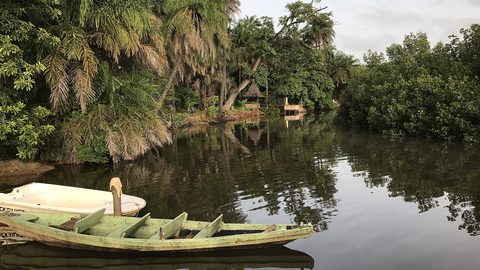 Hugh Taylor Birch State Park
 in Fort Lauderdale offers shaded trails, lagoon kayaking, and a pedestrian tunnel under A1A straight to the beach.
Hugh Taylor Birch State Park
Hugh Taylor Birch State Park in Fort Lauderdale offers shaded trails, lagoon kayaking, and a pedestrian tunnel under A1A straight to the beach.
-
 NSU Art Museum
The NSU Art Museum in downtown Fort Lauderdale houses a strong contemporary collection with Latin American focus—closed Mondays, plan accordingly.
NSU Art Museum
The NSU Art Museum in downtown Fort Lauderdale houses a strong contemporary collection with Latin American focus—closed Mondays, plan accordingly.
-
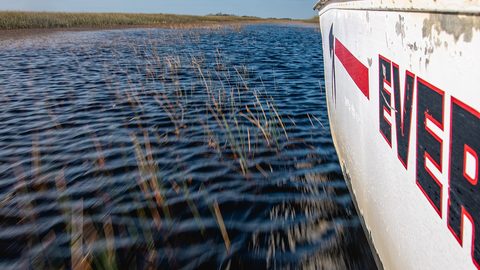 The Everglades
Compare Everglades Holiday Park airboats and Shark Valley's tram loop for a day trip from Fort Lauderdale, with honest drive times and what to expect.
The Everglades
Compare Everglades Holiday Park airboats and Shark Valley's tram loop for a day trip from Fort Lauderdale, with honest drive times and what to expect.
More on Fort Lauderdale
-
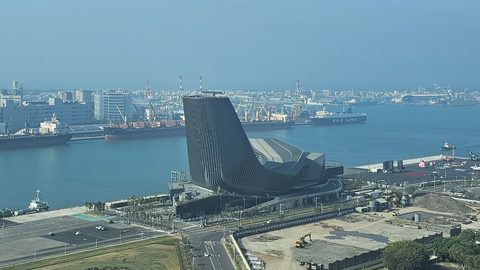 Port Everglades Cruise Guide for First-Time Fort Lauderdale Passengers
Port Everglades is one of the busiest cruise ports in the world. Here is how to find your terminal, where to park, and which Fort Lauderdale hotels put you minutes from embarkation.
Port Everglades Cruise Guide for First-Time Fort Lauderdale Passengers
Port Everglades is one of the busiest cruise ports in the world. Here is how to find your terminal, where to park, and which Fort Lauderdale hotels put you minutes from embarkation.
-
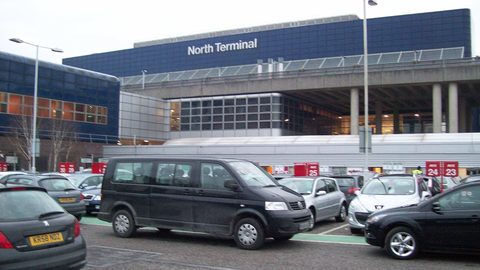 Fort Lauderdale Airport Guide Terminals Transfers and Why Miami Flights Land Here
Fort Lauderdale-Hollywood International Airport handles millions of Miami-bound travellers. Here are the FLL terminals, transfer options, and why it often beats flying into MIA.
Fort Lauderdale Airport Guide Terminals Transfers and Why Miami Flights Land Here
Fort Lauderdale-Hollywood International Airport handles millions of Miami-bound travellers. Here are the FLL terminals, transfer options, and why it often beats flying into MIA.
-
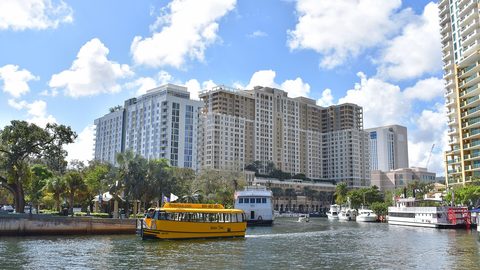 Fort Lauderdale Water Taxi and Canals A Practical Route Guide
The Fort Lauderdale Water Taxi is the most scenic and sensible way to move along the Intracoastal. Here is the route map, all-day pass strategy, and which stops actually work for a bar crawl.
Fort Lauderdale Water Taxi and Canals A Practical Route Guide
The Fort Lauderdale Water Taxi is the most scenic and sensible way to move along the Intracoastal. Here is the route map, all-day pass strategy, and which stops actually work for a bar crawl.
-
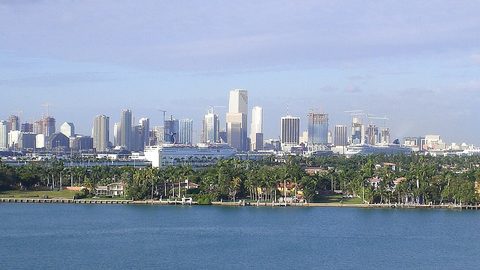 Fort Lauderdale vs Miami Which South Florida City Fits Your Trip
Fort Lauderdale is not a quieter Miami, and Miami is not a louder Fort Lauderdale. Here is how to pick between the two South Florida cities based on what you actually want from your trip.
Fort Lauderdale vs Miami Which South Florida City Fits Your Trip
Fort Lauderdale is not a quieter Miami, and Miami is not a louder Fort Lauderdale. Here is how to pick between the two South Florida cities based on what you actually want from your trip.
-
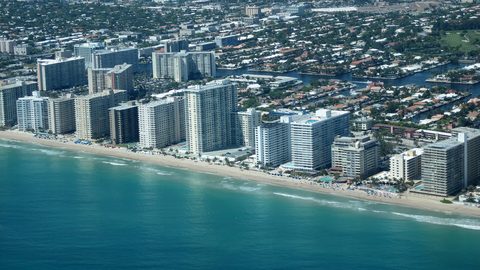 Fort Lauderdale Beaches Guide: Every Broward Stretch and Which One Fits You
Compare every Broward County beach from Fort Lauderdale's resort strip to quiet Harbor Beach and retro Lauderdale-by-the-Sea to find your match.
Fort Lauderdale Beaches Guide: Every Broward Stretch and Which One Fits You
Compare every Broward County beach from Fort Lauderdale's resort strip to quiet Harbor Beach and retro Lauderdale-by-the-Sea to find your match.
-
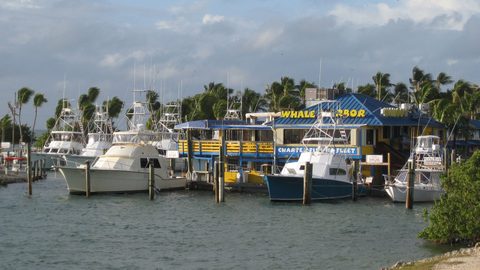 Fort Lauderdale Boating and Fishing: Charters, Reefs and Doing the Water Right
Fort Lauderdale's boating culture runs deep—book fishing charters targeting the three-tier reef, rent pontoons for the Intracoastal, or join a drift trip.
Fort Lauderdale Boating and Fishing: Charters, Reefs and Doing the Water Right
Fort Lauderdale's boating culture runs deep—book fishing charters targeting the three-tier reef, rent pontoons for the Intracoastal, or join a drift trip.
-
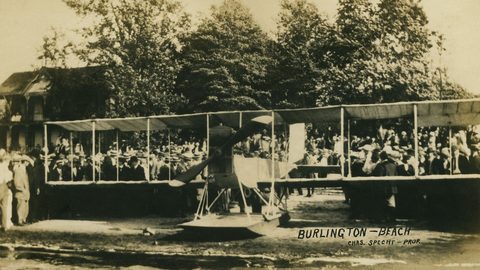 Fort Lauderdale Spring Break History: What Happened and What the Beach Is Like Now
Fort Lauderdale transformed from America's spring break capital to an upscale beach city—here is the history and what the atmosphere is like now.
Fort Lauderdale Spring Break History: What Happened and What the Beach Is Like Now
Fort Lauderdale transformed from America's spring break capital to an upscale beach city—here is the history and what the atmosphere is like now.
-
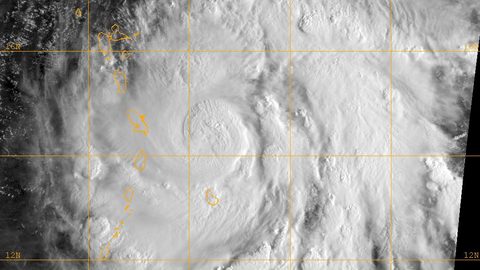 Fort Lauderdale Hurricane Season What Travellers Actually Need to Know
Fort Lauderdale's hurricane season runs June through November, but the real threat to your beach day is sargassum seaweed and daily downpours, not a direct storm strike.
Fort Lauderdale Hurricane Season What Travellers Actually Need to Know
Fort Lauderdale's hurricane season runs June through November, but the real threat to your beach day is sargassum seaweed and daily downpours, not a direct storm strike.
-
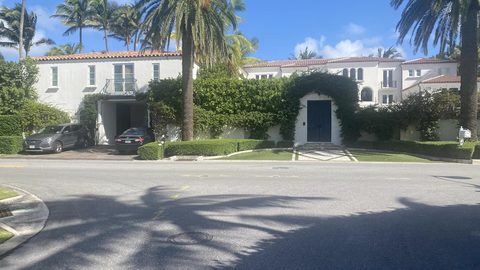 Fort Lauderdale or Palm Beach Which South Florida City Fits Your Trip
Fort Lauderdale offers a lively boating scene and walkable beachfront for less than Palm Beach's old-money seclusion, with an easy Brightline train connecting the two.
Fort Lauderdale or Palm Beach Which South Florida City Fits Your Trip
Fort Lauderdale offers a lively boating scene and walkable beachfront for less than Palm Beach's old-money seclusion, with an easy Brightline train connecting the two.
-
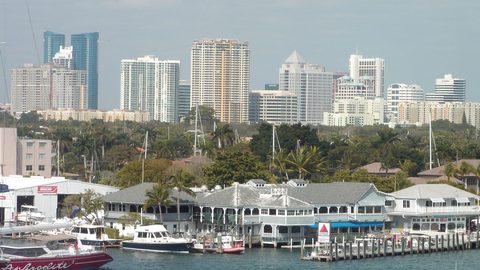 Fort Lauderdale Beach or Downtown Where to Base Your Stay
Fort Lauderdale Beach puts the ocean and A1A bars at your door, while downtown offers quieter nights and closer Las Olas dining access but demands a ride-hail for every swim.
Fort Lauderdale Beach or Downtown Where to Base Your Stay
Fort Lauderdale Beach puts the ocean and A1A bars at your door, while downtown offers quieter nights and closer Las Olas dining access but demands a ride-hail for every swim.
Common Questions
How many days should I spend in Fort Lauderdale?
Three full days is the minimum for a first visit. Spend one day on the beach and Intracoastal, one day on the wetlands, and one day on the arts and dining scene without rushing. A five to seven day stay is ideal if you want to add day trips.
When is the worst time to visit?
Late May through June brings the start of the wet season with daily afternoon downpours and oppressive humidity, plus early season tropical storm risk. Also avoid the Fort Lauderdale International Boat Show week in late October or early November, when hotel prices spike and the 17th Street Causeway area gridlocks.
Is Fort Lauderdale walkable?
No. The city is car dependent. The beach strip is walkable if you stay on the barrier island, and Wilton Manors and parts of Las Olas are walkable within their own boundaries. But getting between districts requires ride hailing or a car. The water taxi is a scenic alternative for Intracoastal travel.
What is the beach like?
Seven miles of continuous public beach on a barrier island. The sand is wide and groomed. The water is calmer than the Atlantic coast further north because the reef blocks most swell. Surfers will be disappointed. From May through October, sargassum seaweed can create a rotten egg smell and make swimming unpleasant.
Should I rent a car?
Yes, if you plan to visit the wetlands, Sawgrass Mills Mall, or any suburb. No, if you are staying on the beach strip and using ride hailing and the water taxi. The Sun Trolley and LauderGO! shuttle are free but infrequent. Do not rely on public transport for a tight itinerary.
How do I get to Port Everglades for a cruise?
From the beach area, a ride hail takes 15 to 20 minutes and costs $20 to $30. From FLL airport, the port is 2 miles away. From MIA airport, budget 45 to 90 minutes depending on traffic. Do not take the Brightline train to the port. The city centre station is not connected to the cruise terminals.
Is Fort Lauderdale good for LGBTQ+ travellers?
Yes. Wilton Manors is one of the most established LGBTQ+ neighbourhoods in the United States, with a dense, walkable nightlife strip. The Stonewall National Museum and Archives is here. The city as a whole is welcoming and has a large LGBTQ+ resident population.
Read next
-
 Fort Lauderdale Hotels Beach Towers Boutique Stays and Marina Resorts
Fort Lauderdale hotels range from A1A beach towers to Intracoastal marina resorts and Wilton Manors guesthouses. Here is which category fits your trip and what each costs.
Fort Lauderdale Hotels Beach Towers Boutique Stays and Marina Resorts
Fort Lauderdale hotels range from A1A beach towers to Intracoastal marina resorts and Wilton Manors guesthouses. Here is which category fits your trip and what each costs.
-
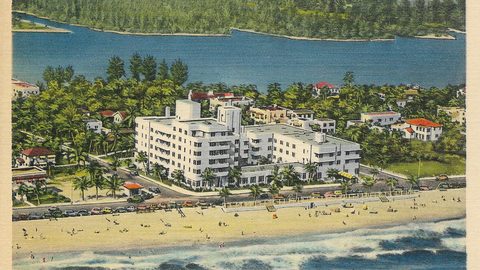 Where to Stay in Fort Lauderdale Beach Las Olas Wilton Manors and Beyond
Where you stay in Fort Lauderdale defines your entire trip. Compare the beach strip, Las Olas, Wilton Manors, and the inland options that look close on a map but are not.
Where to Stay in Fort Lauderdale Beach Las Olas Wilton Manors and Beyond
Where you stay in Fort Lauderdale defines your entire trip. Compare the beach strip, Las Olas, Wilton Manors, and the inland options that look close on a map but are not.
-
 Flying to Fort Lauderdale and Why FLL Beats MIA for the Beach
FLL puts you 15 minutes from the Fort Lauderdale beach for a $25 ride. MIA is a backup option with a longer drive north. Here is how to choose and what the fare gap really buys you.
Flying to Fort Lauderdale and Why FLL Beats MIA for the Beach
FLL puts you 15 minutes from the Fort Lauderdale beach for a $25 ride. MIA is a backup option with a longer drive north. Here is how to choose and what the fare gap really buys you.
-
 Things to Do in Fort Lauderdale Waterways Arts and Everglades Edge
Fort Lauderdale is built around its waterways, arts warehouses, and proximity to the Everglades. Here is a three-day plan that connects the city beyond the beach.
Things to Do in Fort Lauderdale Waterways Arts and Everglades Edge
Fort Lauderdale is built around its waterways, arts warehouses, and proximity to the Everglades. Here is a three-day plan that connects the city beyond the beach.
-
 Best Time to Visit Fort Lauderdale and When to Stay Away
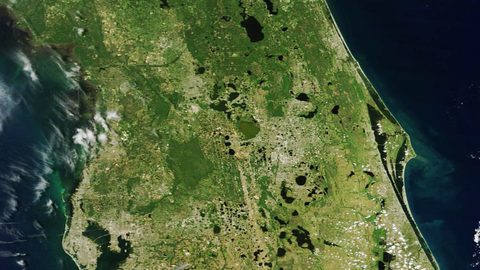
Fort Lauderdale shines December through April, but sargassum seaweed, humidity, and the Boat Show price spike make other months a gamble. Here is when to book and when to avoid.
Best Time to Visit Fort Lauderdale and When to Stay Away
Fort Lauderdale shines December through April, but sargassum seaweed, humidity, and the Boat Show price spike make other months a gamble. Here is when to book and when to avoid.
-
 Getting Around Fort Lauderdale Without Wasting Afternoon Parking Fees
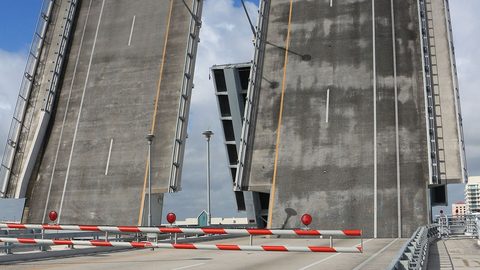
From the scenic Water Taxi and unreliable Sun Trolley to ride-hailing dominance and drawbridge traps, here is how getting around Fort Lauderdale actually works.
Getting Around Fort Lauderdale Without Wasting Afternoon Parking Fees
From the scenic Water Taxi and unreliable Sun Trolley to ride-hailing dominance and drawbridge traps, here is how getting around Fort Lauderdale actually works.
-
The Everglades
Compare Everglades Holiday Park airboats and Shark Valley's tram loop for a day trip from Fort Lauderdale, with honest drive times and what to expect.
-
Broward Center for the Performing Arts
Navigate the Broward Center's theaters, parking, and Broadway season so a show night in downtown Fort Lauderdale goes smoothly.
-
Flamingo Gardens
Flamingo Gardens in Davie combines a botanical sanctuary of champion trees with a wildlife refuge and a narrated tram ride west of Fort Lauderdale.