What Hurricane Season Really Means for a Fort Lauderdale Trip
Fort Lauderdale's hurricane season runs June through November, but the real threat to your beach day is sargassum seaweed and daily downpours, not a direct storm strike.
.jpg)
What Hurricane Season Really Means for a Fort Lauderdale Trip
The risk of a hurricane ruining a one-week Fort Lauderdale trip is lower than most travellers assume. Between 1 June and 30 November, you are far more likely to encounter an afternoon thunderstorm, humidity that soaks your shirt in three minutes, and a carpet of rotting sargassum seaweed on the beach than a boarded-up hotel or a mandatory evacuation. The probability of a direct hurricane strike on any given day during peak season is below 1%. Over a full year, the chance of hurricane-force winds hitting a specific point in Broward County sits between 5% and 10%.
The real disruption is everyday wet-season weather. Late May through June brings daily downpours and oppressive humidity. September, the statistical peak month for South Florida hurricane activity (the historical peak date is 10 September), is also the cheapest month to stay. The average hotel daily rate in September 2023 was $140 to $170, roughly half of February's $250 to $300. You trade the highest historical risk of tropical cyclone activity for a steep discount on accommodation. The risk is not zero. It is manageable with the right plan.
What Actually Goes Wrong
What derails a wet-season trip is rarely a hurricane. It is the sargassum seaweed that accumulates on Fort Lauderdale Beach from May through October, producing a rotten-egg smell and making swimming unpleasant. It is the humidity that hits an average high of 89°F (31.7°C) in September, with 9.5 inches of rain that month. It is failing to understand that a hotel booked inland near I-95, in a district like Plantation, leaves you a 20-minute, $25 ride-hail from the ocean with no scenic walking route. These are the practical problems. A named storm is not one of them for the vast majority of visitors.
Your Actual Weather Risk: Daily Storms Vs. Named Storms
The Daily Pattern
From 1 June to 30 November, Fort Lauderdale's weather pattern is predictable. Expect a clear morning, a building cloud deck by early afternoon, and a heavy downpour that lasts 30 to 60 minutes. Then the sun returns. This happens almost every day. The threat is not a hurricane; it is a soaked phone, a flooded crosswalk, and a delay in your water taxi pickup.
Named Storms: The Real Odds
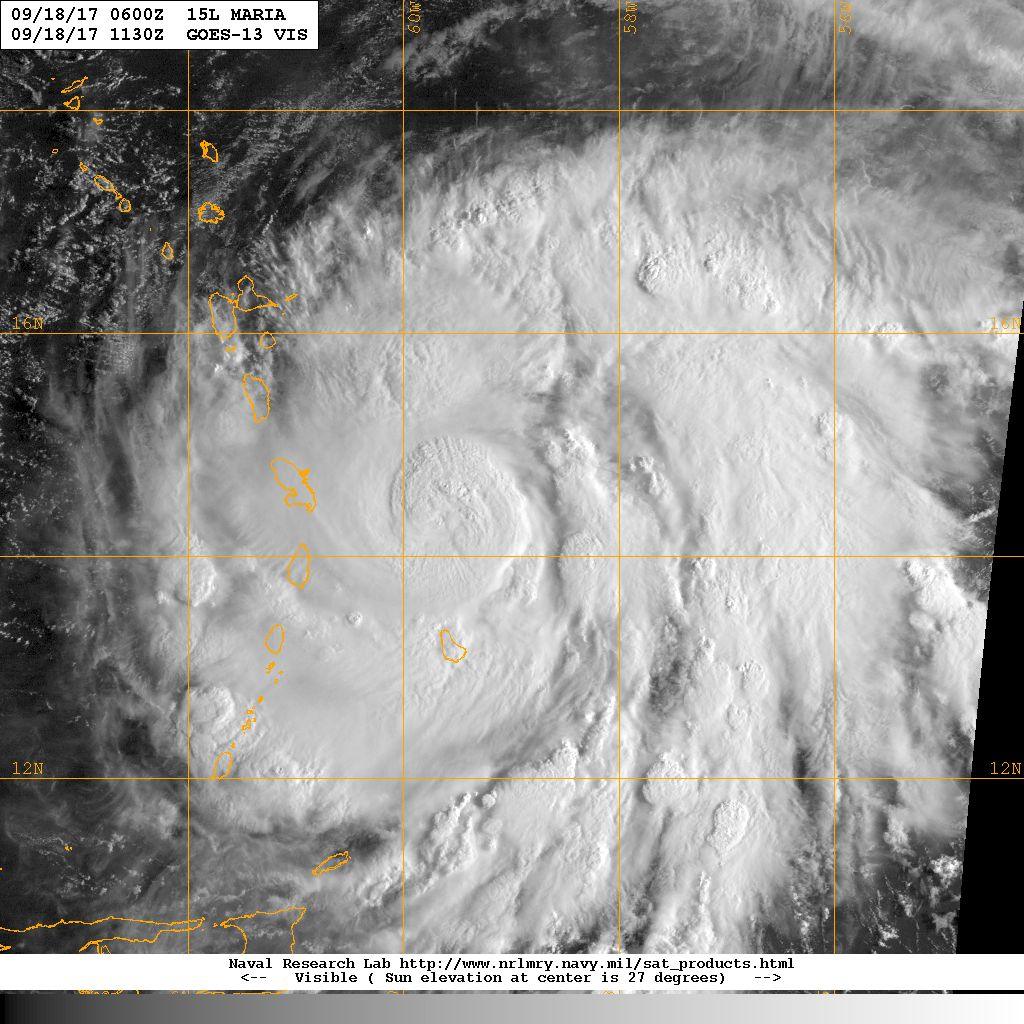
A named storm is a different category of event. The Atlantic season averages 14.4 named storms (1991 to 2020 data), with 7.2 becoming hurricanes and 3.2 reaching Category 3 or higher. The chance that a named storm affects Fort Lauderdale in any given year is about 1 in 3. But affect does not mean strike. The cone of uncertainty is wide. A storm passing far offshore still registers as an affect. For a one-week trip in September, the odds that your holiday is interrupted by a hurricane warning are low enough that you should not change your dates. Change your expectations about humidity and seaweed instead.
Watches, Warnings, and Evacuations
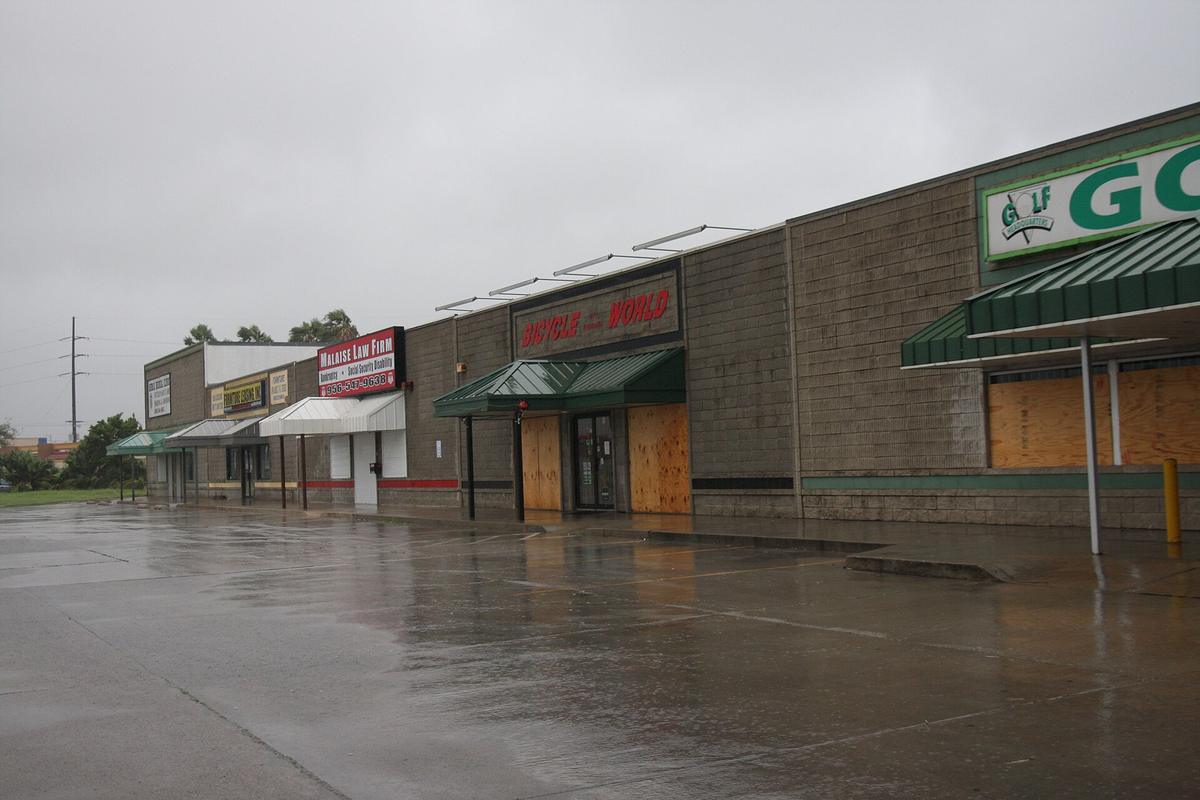
The National Hurricane Center in Miami issues watches and warnings. A Tropical Storm Watch means sustained winds of 39 to 73 mph are possible within 48 hours. A Hurricane Warning means hurricane-force winds (74 mph or higher) are expected within 36 hours. Broward County's evacuation zones are A, B, and C, with A being most vulnerable to storm surge and C the least. Evacuation orders come from the Broward County Mayor, with 24 to 48 hours lead time before tropical-storm-force winds arrive. If you are in a beachfront hotel in Zone A during a direct threat, you will be asked to leave. Most hotels waive cancellation fees if a Hurricane Warning is issued for Broward County. Verify this with your specific property before you book.
What to Do with a Storm Threat: Insurance, Cruises, and Backup Plans
Named-Storm Travel Insurance
Standard travel insurance does not cover weather-related cancellations unless you buy a named-storm policy. The rule is simple: purchase it before the National Hurricane Center gives the storm a name. If a system is already swirling in the Atlantic as a tropical depression, you are too late. Named-storm cover pays out if a mandatory evacuation is ordered, an airport closes, or your accommodation is rendered uninhabitable. Without it, you absorb the loss.
Cruise Passengers at Port Everglades
If you are sailing from Port Everglades, hurricane season adds a layer of uncertainty. Cruise lines can reroute, delay, or cancel sailings at their discretion. U.S. law does not require a refund for weather-related itinerary changes; your ticket contract governs. The U.S. Coast Guard sets Port Condition Zulu, closing the port 12 hours before sustained gale-force winds (39 mph) are forecast within port limits. If you are on a pre-cruise stay and the port closes, you need a contingency hotel and a ride-hail budget. No one is coming to move your bags.
Your Backup Plan for the Week
The practical failure case during hurricane season is not the storm itself. It is a tropical depression that dumps rain for three days straight, making beach time miserable. Your backup is the day trip list. Everglades Holiday Park (40 minutes west by car) runs airboat tours year-round, rain or shine. The Fort Lauderdale water taxi costs $35 for an all-day pass and runs regardless of light rain; you ride covered while the Intracoastal slides past. Flagler Village's brewery warehouses offer indoor space with food-truck fare and craft hazy IPAs. If the beach is unswimmable due to seaweed or storm runoff, you have the Museum of Discovery and Science with IMAX, the Bonnet House Museum & Gardens on the barrier island, and the NSU Art Museum's contemporary collection. None of these require sunshine.

Who Should Go and Who Should Skip
Hurricane season suits the budget traveller who can handle humidity and has flexible indoor backup plans. It suits the boater and yachting enthusiast who understands that a daily squall clears the Intracoastal. It does not suit the family that expects pristine, dry beach conditions every afternoon, the traveller who panics at a forecast showing a 10-day rain blob, or the cruise passenger with a non-refundable flight the day after a storm system passes. The single thing that most often goes wrong here is not the hurricane. It is the decision to skip the trip entirely out of fear of one, while the actual problem is a three-day cloudburst and a beach full of seaweed.
Read next
-
 Fort Lauderdale Hotels Beach Towers Boutique Stays and Marina Resorts
Fort Lauderdale hotels range from A1A beach towers to Intracoastal marina resorts and Wilton Manors guesthouses. Here is which category fits your trip and what each costs.
Fort Lauderdale Hotels Beach Towers Boutique Stays and Marina Resorts
Fort Lauderdale hotels range from A1A beach towers to Intracoastal marina resorts and Wilton Manors guesthouses. Here is which category fits your trip and what each costs.
-
 Where to Stay in Fort Lauderdale Beach Las Olas Wilton Manors and Beyond
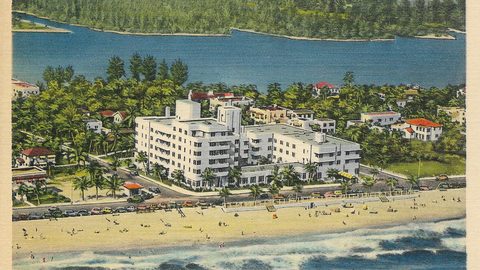
Where you stay in Fort Lauderdale defines your entire trip. Compare the beach strip, Las Olas, Wilton Manors, and the inland options that look close on a map but are not.
Where to Stay in Fort Lauderdale Beach Las Olas Wilton Manors and Beyond
Where you stay in Fort Lauderdale defines your entire trip. Compare the beach strip, Las Olas, Wilton Manors, and the inland options that look close on a map but are not.
-
 Flying to Fort Lauderdale and Why FLL Beats MIA for the Beach
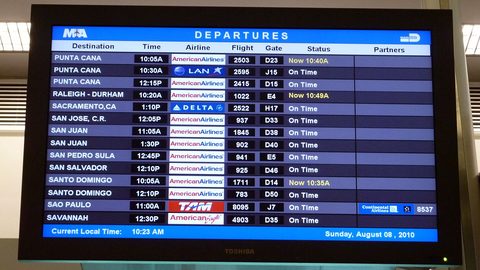
FLL puts you 15 minutes from the Fort Lauderdale beach for a $25 ride. MIA is a backup option with a longer drive north. Here is how to choose and what the fare gap really buys you.
Flying to Fort Lauderdale and Why FLL Beats MIA for the Beach
FLL puts you 15 minutes from the Fort Lauderdale beach for a $25 ride. MIA is a backup option with a longer drive north. Here is how to choose and what the fare gap really buys you.
-
 Things to Do in Fort Lauderdale Waterways Arts and Everglades Edge
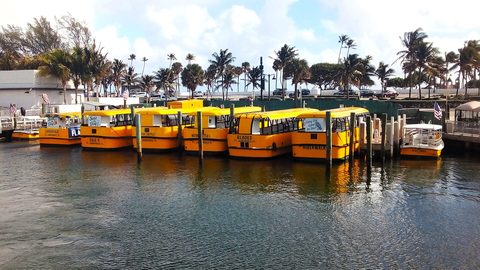
Fort Lauderdale is built around its waterways, arts warehouses, and proximity to the Everglades. Here is a three-day plan that connects the city beyond the beach.
Things to Do in Fort Lauderdale Waterways Arts and Everglades Edge
Fort Lauderdale is built around its waterways, arts warehouses, and proximity to the Everglades. Here is a three-day plan that connects the city beyond the beach.
-
 Best Time to Visit Fort Lauderdale and When to Stay Away
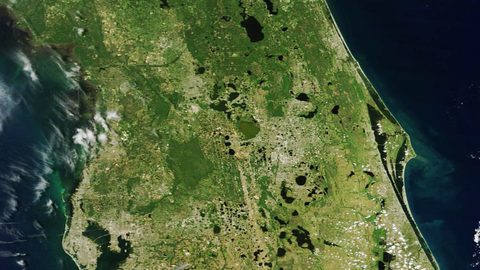
Fort Lauderdale shines December through April, but sargassum seaweed, humidity, and the Boat Show price spike make other months a gamble. Here is when to book and when to avoid.
Best Time to Visit Fort Lauderdale and When to Stay Away
Fort Lauderdale shines December through April, but sargassum seaweed, humidity, and the Boat Show price spike make other months a gamble. Here is when to book and when to avoid.
-
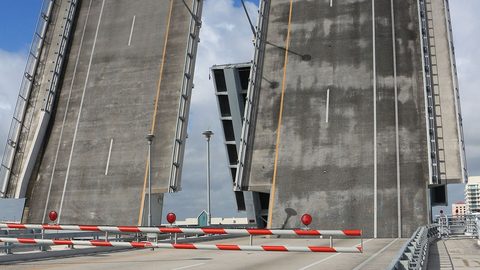 Getting Around Fort Lauderdale Without Wasting Afternoon Parking Fees
From the scenic Water Taxi and unreliable Sun Trolley to ride-hailing dominance and drawbridge traps, here is how getting around Fort Lauderdale actually works.
Getting Around Fort Lauderdale Without Wasting Afternoon Parking Fees
From the scenic Water Taxi and unreliable Sun Trolley to ride-hailing dominance and drawbridge traps, here is how getting around Fort Lauderdale actually works.
-
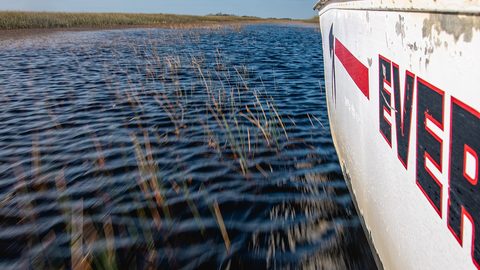 The Everglades
Compare Everglades Holiday Park airboats and Shark Valley's tram loop for a day trip from Fort Lauderdale, with honest drive times and what to expect.
The Everglades
Compare Everglades Holiday Park airboats and Shark Valley's tram loop for a day trip from Fort Lauderdale, with honest drive times and what to expect.
-
 Broward Center for the Performing Arts
Navigate the Broward Center's theaters, parking, and Broadway season so a show night in downtown Fort Lauderdale goes smoothly.
Broward Center for the Performing Arts
Navigate the Broward Center's theaters, parking, and Broadway season so a show night in downtown Fort Lauderdale goes smoothly.
-
 Flamingo Gardens
 in Davie combines a botanical sanctuary of champion trees with a wildlife refuge and a narrated tram ride west of Fort Lauderdale.
Flamingo Gardens
Flamingo Gardens in Davie combines a botanical sanctuary of champion trees with a wildlife refuge and a narrated tram ride west of Fort Lauderdale.