Fort Lauderdale Seasons, Sargassum, and the Boat Show Crunch
Fort Lauderdale shines December through April, but sargassum seaweed, humidity, and the Boat Show price spike make other months a gamble. Here is when to book and when to avoid.
Best Time to Visit Fort Lauderdale and When to Stay Away
Snowbirds are wrong. The best time to go to Fort Lauderdale is not the dead of winter. Book a winter trip and you pay double for a room and fight for a lounger. December to April is peak season for a reason: daytime highs stay in the 75°F to 82°F range, water temperature sits at 72°F to 76°F, and rain averages only 2 to 3 inches a month. But winter means hotel rates at 2x the summer low, and spring break crowds arrive from late February into early April. Peak chaos hits the second and third weeks of March. The real sweet spot for beach weather without the price spike is May and November, the shoulder months. Daytime highs hit 83°F to 86°F, water temps climb to 78°F to 80°F, and room rates drop before the summer discounts kick in.
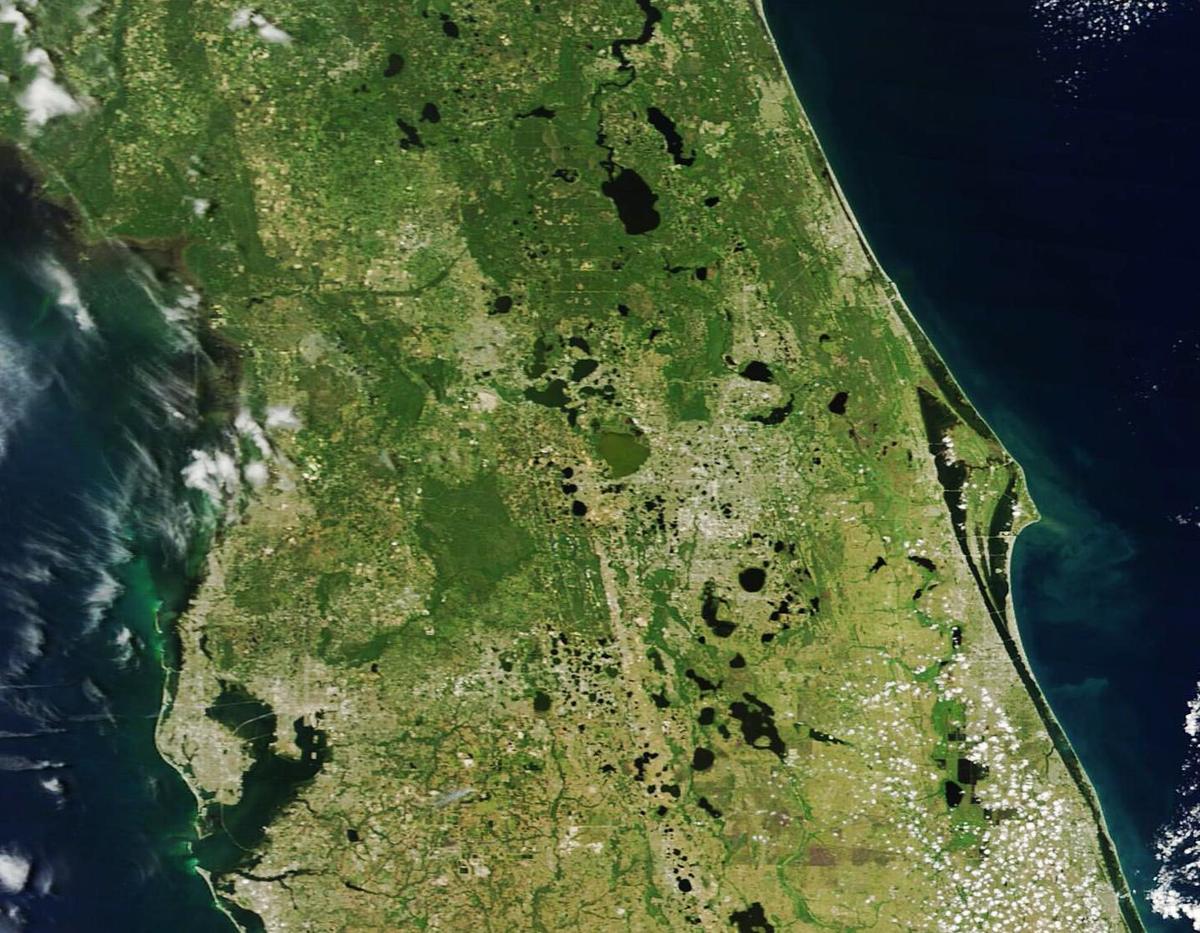
The avoid window is late May into June. That is when the wet season starts. Daily afternoon downpours arrive between 14:00 and 17:00, humidity sits at 70% to 75%, and the Atlantic hurricane season opens June 1. On top of the rain, sargassum seaweed washes onto the beach from May into the autumn months, rotting in the heat and producing a rotten egg smell that makes swimming and sunbathing unpleasant. If you come in June, time your beach trip around a thunderstorm and hold your nose during the walk to the water.
.jpg)
The Boat Show Price Spike and the Hurricane Window
The single worst week for value is the Fort Lauderdale International Boat Show, held annually for 5 days in the autumn. During the 2024 event, hotel rates hit 2x to 3x the monthly average, and the 17th Street Causeway area became gridlocked with over 100,000 attendees. Attend the show if you are in the market for a yacht. If you are not, avoid that week entirely. Book a room before or after the show dates, or skip the month altogether.
Hurricane Insurance Rules
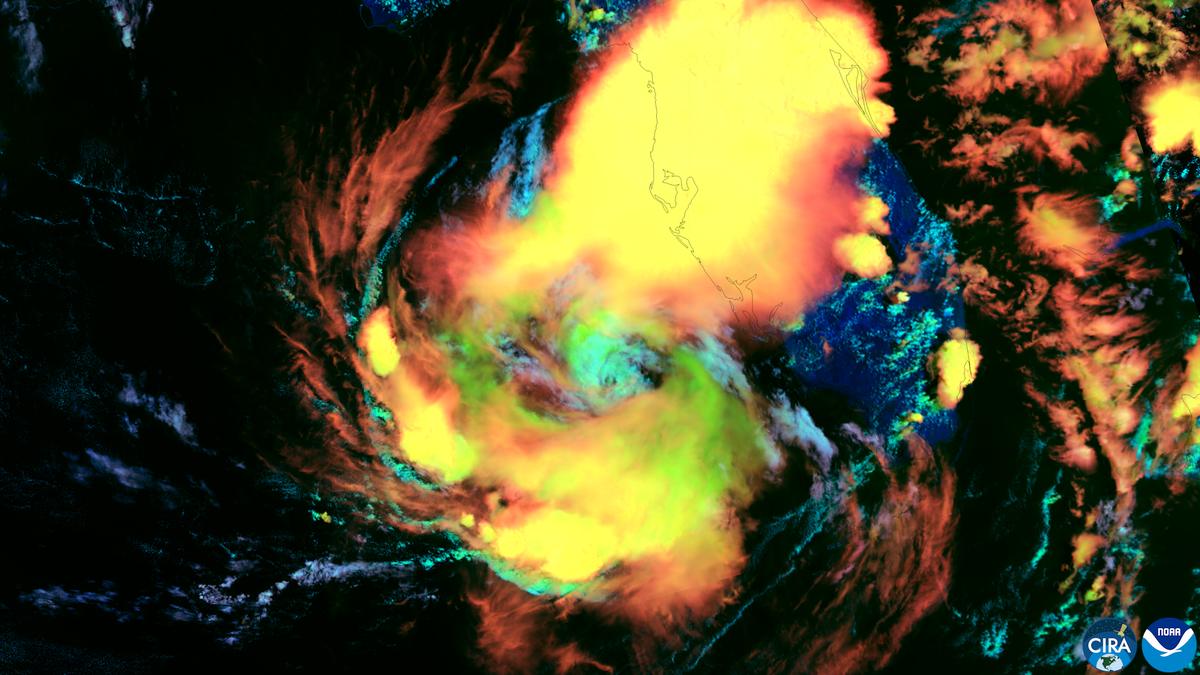
Hurricane season runs June 1 to November 30, with the statistical peak on September 10 and the most active window from mid August into late autumn. A hurricane watch means conditions possible within 48 hours; a warning means expected within 36 hours. Travel insurance covers cancellation only if your policy was purchased before a storm was named, and only for a mandatory evacuation order, an airport closure lasting 24 hours or more, or your accommodation being rendered uninhabitable. Disinclination to travel because of a forecast is not covered. Book a trip in September or the autumn months? Buy insurance the same day you book the hotel.
What Each Season Costs and Delivers
Winter High Season (December to April)
Winter gives you the best weather and the highest prices. You pay 2x the summer rate for a room and share the beach with snowbirds, spring breakers, and cruise passengers. Spring break today is not the 1980s MTV chaos: beach alcohol is banned year round, enforcement is stricter, and the daytime atmosphere is family oriented. The party has shifted to private yachts and Las Olas dining.
Summer Low Season (June to October)
Summer costs half the winter rate, but you earn that discount. Daytime highs hit 87°F to 91°F, humidity averages 70% to 75% in the afternoon, and a brief, heavy thunderstorm rolls through most days between 14:00 and 17:00. Sargassum risk is highest in June and July. You can still enjoy the beach. Go early, before 11:00, and plan indoor activities like the NSU Art Museum or the Museum of Discovery and Science for the afternoon washout. The Atlantic hurricane season statistical peak is September 10, so late August into the autumn carries the most storm risk.
Shoulder Season (May and November)
Shoulder season is the compromise. In 2024, May still had some spring crowds but lower rates. November had the leftover summer heat and the Boat Show price trap. Both months have decent weather, moderate rain, and water warm enough for swimming without a wetsuit. Want the best beach weather without the winter markup? Aim for the first two weeks of November, after the show, or the last two weeks of May, before the wet season fully sets in.
Stone Crab Season as a Calendar Hook
Stone crab claws are in season from the autumn months through May. That means a winter visit gives you access to the best local catch at its peak. Order them chilled with mustard sauce at a no frills fish house like Coconuts. The season overlaps with the boat show, but the claws are just as good in December or January, when the weather is dry and the crowds have thinned after the holidays.
What You Miss if You Choose Wrong
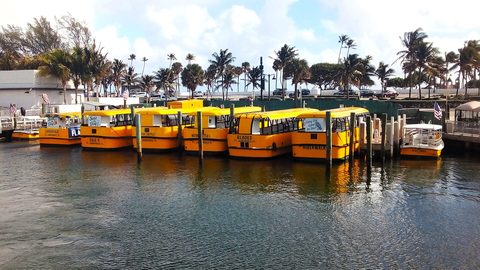
Book deep inland near I 95 or in Plantation expecting a walkable beach town, and you will spend 20 minutes and $25 on a ride-hail each way, with no scenic route. The beach strip is A1A. The downtown core feels quiet outside business hours. Fort Lauderdale is a car dependent city. Ride-hailing is the dominant mode; the free LauderGO shuttle and Sun Trolley run on infrequent schedules that trip visitors up. The water taxi costs $35 for an all day pass and is scenic, but only practical for Intracoastal navigation, not beach access.
| Factor | Winter High Season (Dec-Apr) | Shoulder Season (May, Nov) | Summer Low Season (Jun-Oct) |
|---|---|---|---|
| Daytime High Range | 75°F–82°F (24°C–28°C) | 83°F–86°F (28°C–30°C) | 87°F–91°F (31°C–33°C) |
| Water Temperature | 72°F–76°F (22°C–24°C) | 78°F–80°F (26°C–27°C) | 80°F+ (27°C+) |
| Monthly Rainfall | 2–3 inches (50–75 mm) | Moderate | 3–6 inches (75–150 mm) |
| Hotel Rate vs. Summer | 2x | 1.2x–1.5x | 0.5x |
| Sargassum Risk | None | Low (May) / Low (Nov) | High (Jun–Oct) |
| Hurricane Risk | None | Low (May) / Moderate (Nov) | High (Jun–Nov, peak Sep) |
| Best For | Guaranteed beach weather, stone crab season | Crowd avoidance, value | Budget trips, indoor activities |
.png)
What You Actually Do with 3 Days
You need a minimum of 3 full days. Day one is the beach and Intracoastal: rent a kayak at Hugh Taylor Birch State Park, ride the water taxi, eat a blackened grouper sandwich at a beachfront shack. Day two is the Everglades: drive 40 minutes west to Everglades Holiday Park for an airboat ride and alligator show, or an hour southwest to Shark Valley for the 15 mile paved tram loop. Day three is the arts and dining scene: Las Olas Boulevard for shopping and lunch, Flagler Village for craft breweries and warehouse galleries, and the FATVillage Arts District if it is the monthly art walk night. Skip renting a car unless you are doing the Everglades drive. Ride-hailing covers the rest for $25 to $40 per one way trip from the airport to the beach.
Arrive late or find the beach rained out? Pivot to the Museum of Discovery and Science downtown or the Riverwalk linear park along the New River. Both are covered. Both work on a foul weather afternoon. The Jungle Queen Riverboat is a kitschy backup if you want to kill 3 hours on the water without getting wet.
Common Questions
What is the absolute worst week to visit Fort Lauderdale?
The Fort Lauderdale International Boat Show week in late autumn. Hotel rates spike 2x, 3x, the 17th Street Causeway gridlocks, and you get the heat and storm risk of the season without any of the value. Outside that week, avoid late May into June when sargassum stench and daily downpours combine.
Is June really that bad, or can you still have a good trip?
You can have a trip, but not a beach focused one. Expect afternoon thunderstorms every day between 14:00 and 17:00, humidity at 70%, 75%, and sargassum washing up on shore. Rate the experience at half of what December delivers. Plan indoor activities for the afternoon and hit the beach early, leaving by 11:00.
When is the best month for swimming without a wetsuit?
November, May, or any summer month. Water temperature in winter sits at 72°F, 76°F, which is swimmable but cool. In shoulder season, it rises to 78°F, 80°F. In summer, it stays above 80°F. If warm water is your priority, come in May or November.
Does the spring break chaos from the 1980s still exist?
No. Alcohol is banned on the beach year round, enforcement is strict, and the daytime atmosphere is family oriented. Spring break crowds are smaller and quieter than the 1990s peak. The party has moved to private yachts and Las Olas restaurants.
Can I rely on the free shuttle or trolley as my main transport?
No. The LauderGO shuttle and Sun Trolley run infrequent schedules that will strand you. They are not reliable hop on hop off services for a tight itinerary. Use ride-hailing. The water taxi costs $35 for an all day pass and is scenic for Intracoastal routes, but does not serve the beach directly.
Read next
-
 Fort Lauderdale Hotels Beach Towers Boutique Stays and Marina Resorts
Fort Lauderdale hotels range from A1A beach towers to Intracoastal marina resorts and Wilton Manors guesthouses. Here is which category fits your trip and what each costs.
Fort Lauderdale Hotels Beach Towers Boutique Stays and Marina Resorts
Fort Lauderdale hotels range from A1A beach towers to Intracoastal marina resorts and Wilton Manors guesthouses. Here is which category fits your trip and what each costs.
-
 Where to Stay in Fort Lauderdale Beach Las Olas Wilton Manors and Beyond
Where you stay in Fort Lauderdale defines your entire trip. Compare the beach strip, Las Olas, Wilton Manors, and the inland options that look close on a map but are not.
Where to Stay in Fort Lauderdale Beach Las Olas Wilton Manors and Beyond
Where you stay in Fort Lauderdale defines your entire trip. Compare the beach strip, Las Olas, Wilton Manors, and the inland options that look close on a map but are not.
-
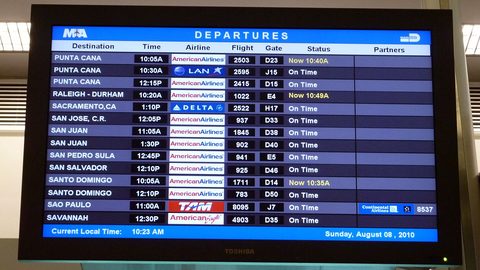 Flying to Fort Lauderdale and Why FLL Beats MIA for the Beach
FLL puts you 15 minutes from the Fort Lauderdale beach for a $25 ride. MIA is a backup option with a longer drive north. Here is how to choose and what the fare gap really buys you.
Flying to Fort Lauderdale and Why FLL Beats MIA for the Beach
FLL puts you 15 minutes from the Fort Lauderdale beach for a $25 ride. MIA is a backup option with a longer drive north. Here is how to choose and what the fare gap really buys you.
-
 Things to Do in Fort Lauderdale Waterways Arts and Everglades Edge
Fort Lauderdale is built around its waterways, arts warehouses, and proximity to the Everglades. Here is a three-day plan that connects the city beyond the beach.
Things to Do in Fort Lauderdale Waterways Arts and Everglades Edge
Fort Lauderdale is built around its waterways, arts warehouses, and proximity to the Everglades. Here is a three-day plan that connects the city beyond the beach.
-
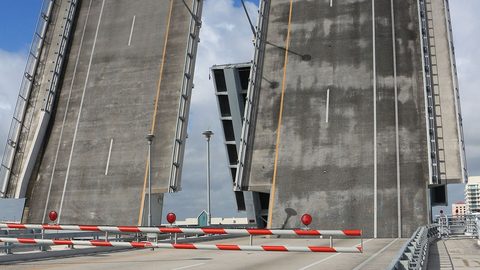 Getting Around Fort Lauderdale Without Wasting Afternoon Parking Fees
From the scenic Water Taxi and unreliable Sun Trolley to ride-hailing dominance and drawbridge traps, here is how getting around Fort Lauderdale actually works.
Getting Around Fort Lauderdale Without Wasting Afternoon Parking Fees
From the scenic Water Taxi and unreliable Sun Trolley to ride-hailing dominance and drawbridge traps, here is how getting around Fort Lauderdale actually works.
-
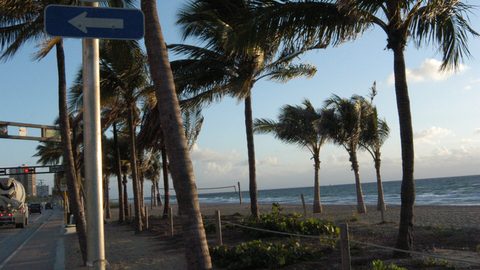 Fort Lauderdale Itinerary for 2, 3, or 5 Days Without Rushing
A practical Fort Lauderdale itinerary for two, three, or five days that balances the beach, the Everglades, and the dining scene without burning half your trip in traffic.
Fort Lauderdale Itinerary for 2, 3, or 5 Days Without Rushing
A practical Fort Lauderdale itinerary for two, three, or five days that balances the beach, the Everglades, and the dining scene without burning half your trip in traffic.
-
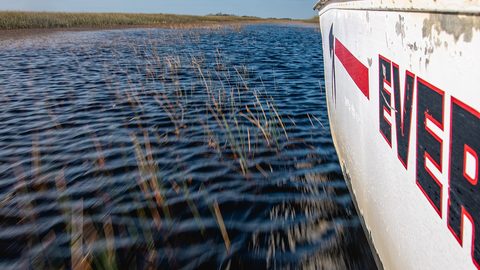 The Everglades
Compare Everglades Holiday Park airboats and Shark Valley's tram loop for a day trip from Fort Lauderdale, with honest drive times and what to expect.
The Everglades
Compare Everglades Holiday Park airboats and Shark Valley's tram loop for a day trip from Fort Lauderdale, with honest drive times and what to expect.
-
 Broward Center for the Performing Arts
Navigate the Broward Center's theaters, parking, and Broadway season so a show night in downtown Fort Lauderdale goes smoothly.
Broward Center for the Performing Arts
Navigate the Broward Center's theaters, parking, and Broadway season so a show night in downtown Fort Lauderdale goes smoothly.
-
 Flamingo Gardens
 in Davie combines a botanical sanctuary of champion trees with a wildlife refuge and a narrated tram ride west of Fort Lauderdale.
Flamingo Gardens
Flamingo Gardens in Davie combines a botanical sanctuary of champion trees with a wildlife refuge and a narrated tram ride west of Fort Lauderdale.