The Rise and Fall of Spring Break in Fort Lauderdale and the Beach Scene Today
Fort Lauderdale transformed from America's spring break capital to an upscale beach city—here is the history and what the atmosphere is like now.
.jpg)
The 1960 Film That Created a Monster
In 1960 the movie 'Where the Boys Are' turned Fort Lauderdale into America's spring break capital. Before that film, college students went to Daytona Beach. After it, they came here. By 1985 the city was hosting 350,000 students each March, packing the sand and A1A with a scene that made national news for all the wrong reasons.
The peak year was 1985. That March the beach became a 24 hour block party. Students slept on the sand. Open containers were everywhere. Traffic gridlock shut down the barrier island and local residents could not get to work. The city council had had enough.
How Mayor Dressler Killed Spring Break in One Year
Mayor Robert Dressler led the 1985 crackdown. The city passed an open container law on public property, set up DUI checkpoints on every beach approach, built a wall separating A1A from the sand, and banned sleeping in cars and on the beach. Enforcement was aggressive and immediate.
In 1986 the city formally announced its rebranding campaign called 'Spring Break is Over'. The message was clear: come as a family or a tourist, not as a party. The crowds did not argue. They moved to Daytona Beach, Panama City Beach, and Cancún, Mexico, where the party continued without a wall or a checkpoint.
What Fort Lauderdale Beach Looks Like In March Now
By 2026 the March beach crowd is families and Canadian snowbirds. College student presence is minimal. Hotel occupancy is driven by family spring vacations and Canadian long stay visitors, not by anyone arriving with a cooler and a sleeping bag.
The weather in March is excellent. High temperatures run 77 to 81°F (25 to 27°C). Water temperature ranges from 74 to 76°F (23 to 24°C). You can swim without a wetsuit. You will not dodge a beer pong game.
What That History Means for Your Trip Today
The old spring break energy was replaced by upscale resorts, family friendly beach parks, and a nightlife scene that shifted away from the sand. The Elbo Room still stands at the corner of A1A and Las Olas Boulevard. It now sells Key lime pie martinis to visitors in their 30s and 40s, not keg beer to 19 year olds.
The beach experience revolves around a single strip: A1A. Walk the wide promenade. Eat at outdoor cafes. Take the water taxi along the Intracoastal. The city is car dependent and disjointed, so spontaneous bar hopping on foot is hard. Your real nightlife option is Las Olas Boulevard for upscale dining or Wilton Manors for LGBTQ+ bars and clubs. The beachfront itself is quiet after dark.
Book a hotel on the barrier island near the beach, not inland near I 95 or in Plantation. That mistake is the most common failure. Inland hotels require a 20 minute, $25 ride hail to reach the ocean with no scenic walking route. The extra $50 per night for a beachfront room saves you $40 in ride hail and 40 minutes of travel each day.
Getting Around Without Wasting Time
Budget $20 to $30 for a single afternoon of beach parking if you drive. Parking enforcement is aggressive and app based. The free LauderGO shuttle and Sun Trolley exist but run on infrequent schedules that will not work for a tight itinerary. The water taxi costs $35 for an all day pass and is the most practical way to see the Intracoastal without a car. Ride hailing dominates for everything else.
The One Thing That Surprises First Time Visitors
The downtown core feels quiet outside business hours. The city's energy is along the beach strip and the canals, not around the office towers. Do not expect a dense, walkable urban center. Expect a spread out, car oriented beach city with a boating culture woven into daily life. That is what replaced the spring break chaos.
Sargassum seaweed on the beach from May through October can create a rotten egg smell that makes swimming unpleasant. The Intracoastal drawbridges operate on strict timed schedules. A mistimed walk or drive can leave you stranded for 10 to 15 minutes while boats pass. The sun burns severely even on overcast winter days because the ocean breeze masks the intensity. Bring SPF 50 and reapply every hour.
Public Wi Fi is patchy along the beachfront and Riverwalk. You need a U.S. data plan or eSIM with strong coverage. Waiting for a cab on the street is a losing game. All transport runs through ride hailing apps.
If you want edgy underground culture or a dense historic city, skip Fort Lauderdale. If you want a polished, navigable beach city for boating, upscale dining, and family sun, March is the ideal month. The old spring break is dead. The new version is better for everyone who is not a 19 year old looking for a keg party.

| Year | Event |
|---|---|
| 1960 | Film 'Where the Boys Are' released, triggering student migration to Fort Lauderdale |
| 1985 | Peak attendance of 350,000 students; Mayor Dressler's crackdown with open container law, DUI checkpoints, beach wall, and bans on sleeping in cars and on the sand |
| 1986 | City launches 'Spring Break is Over' rebranding campaign |
| Post 1986 | Crowds shift to Daytona Beach, Panama City Beach, and Cancún, Mexico |
| 2026 | March crowd is families and Canadian snowbirds; college student presence is minimal |
Read next
-
 Fort Lauderdale Hotels Beach Towers Boutique Stays and Marina Resorts
Fort Lauderdale hotels range from A1A beach towers to Intracoastal marina resorts and Wilton Manors guesthouses. Here is which category fits your trip and what each costs.
Fort Lauderdale Hotels Beach Towers Boutique Stays and Marina Resorts
Fort Lauderdale hotels range from A1A beach towers to Intracoastal marina resorts and Wilton Manors guesthouses. Here is which category fits your trip and what each costs.
-
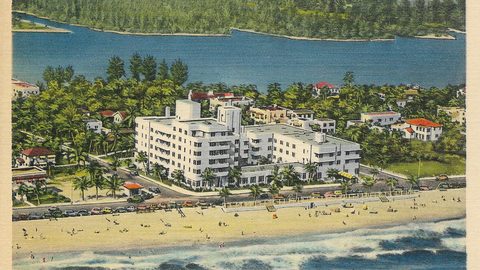 Where to Stay in Fort Lauderdale Beach Las Olas Wilton Manors and Beyond
Where you stay in Fort Lauderdale defines your entire trip. Compare the beach strip, Las Olas, Wilton Manors, and the inland options that look close on a map but are not.
Where to Stay in Fort Lauderdale Beach Las Olas Wilton Manors and Beyond
Where you stay in Fort Lauderdale defines your entire trip. Compare the beach strip, Las Olas, Wilton Manors, and the inland options that look close on a map but are not.
-
 Flying to Fort Lauderdale and Why FLL Beats MIA for the Beach
FLL puts you 15 minutes from the Fort Lauderdale beach for a $25 ride. MIA is a backup option with a longer drive north. Here is how to choose and what the fare gap really buys you.
Flying to Fort Lauderdale and Why FLL Beats MIA for the Beach
FLL puts you 15 minutes from the Fort Lauderdale beach for a $25 ride. MIA is a backup option with a longer drive north. Here is how to choose and what the fare gap really buys you.
-
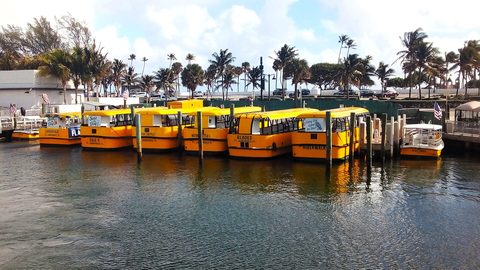 Things to Do in Fort Lauderdale Waterways Arts and Everglades Edge
Fort Lauderdale is built around its waterways, arts warehouses, and proximity to the Everglades. Here is a three-day plan that connects the city beyond the beach.
Things to Do in Fort Lauderdale Waterways Arts and Everglades Edge
Fort Lauderdale is built around its waterways, arts warehouses, and proximity to the Everglades. Here is a three-day plan that connects the city beyond the beach.
-
 Best Time to Visit Fort Lauderdale and When to Stay Away
Fort Lauderdale shines December through April, but sargassum seaweed, humidity, and the Boat Show price spike make other months a gamble. Here is when to book and when to avoid.
Best Time to Visit Fort Lauderdale and When to Stay Away
Fort Lauderdale shines December through April, but sargassum seaweed, humidity, and the Boat Show price spike make other months a gamble. Here is when to book and when to avoid.
-
 Getting Around Fort Lauderdale Without Wasting Afternoon Parking Fees
From the scenic Water Taxi and unreliable Sun Trolley to ride-hailing dominance and drawbridge traps, here is how getting around Fort Lauderdale actually works.
Getting Around Fort Lauderdale Without Wasting Afternoon Parking Fees
From the scenic Water Taxi and unreliable Sun Trolley to ride-hailing dominance and drawbridge traps, here is how getting around Fort Lauderdale actually works.
-
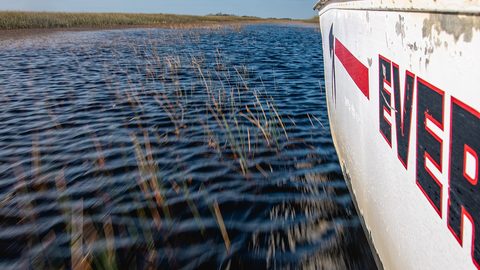 The Everglades
Compare Everglades Holiday Park airboats and Shark Valley's tram loop for a day trip from Fort Lauderdale, with honest drive times and what to expect.
The Everglades
Compare Everglades Holiday Park airboats and Shark Valley's tram loop for a day trip from Fort Lauderdale, with honest drive times and what to expect.
-
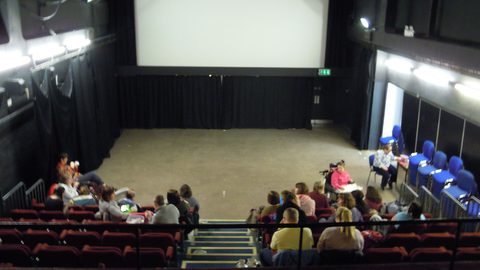 Broward Center for the Performing Arts
Navigate the Broward Center's theaters, parking, and Broadway season so a show night in downtown Fort Lauderdale goes smoothly.
Broward Center for the Performing Arts
Navigate the Broward Center's theaters, parking, and Broadway season so a show night in downtown Fort Lauderdale goes smoothly.
-
 Flamingo Gardens
 in Davie combines a botanical sanctuary of champion trees with a wildlife refuge and a narrated tram ride west of Fort Lauderdale.
Flamingo Gardens
Flamingo Gardens in Davie combines a botanical sanctuary of champion trees with a wildlife refuge and a narrated tram ride west of Fort Lauderdale.