Choosing Between Fort Lauderdale and Miami for Your South Florida Stay
Fort Lauderdale is not a quieter Miami, and Miami is not a louder Fort Lauderdale. Here is how to pick between the two South Florida cities based on what you actually want from your trip.
.jpg)
Fort Lauderdale vs Miami: Which South Florida City Fits Your Trip
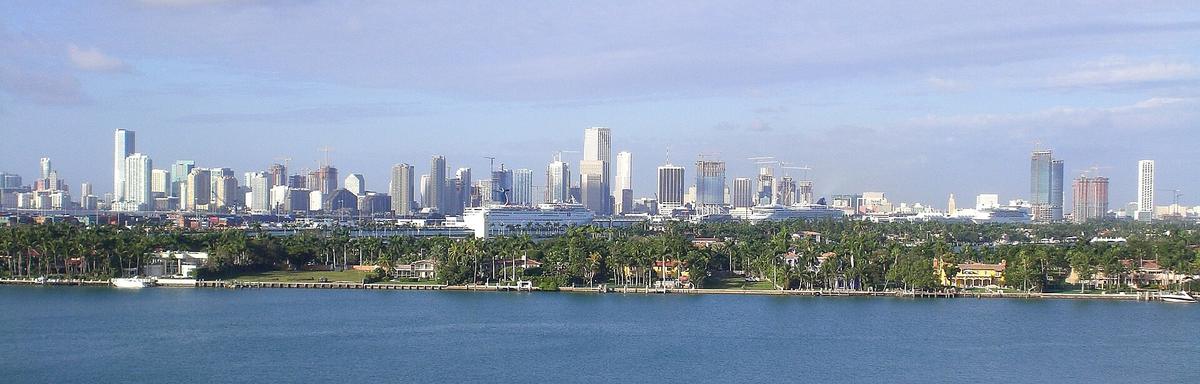
The single most useful fact for comparing Fort Lauderdale and Miami is this: 28 miles of Interstate 95 separate these cities, and in rush hour that gap can take you 90 minutes. In peak season it can take two hours. The distance between Fort Lauderdale and Miami is not the problem. The time cost of crossing it is. And that time cost is the axis your decision should turn on, not whether you prefer Art Deco or a beachfront promenade. If you book a hotel in Fort Lauderdale and plan to commute into Miami for dinner and clubs, you will spend more time in ride-hail cars than you will at the table. If you book in Miami and want to spend days on the water in a rented boat, you will burn your vacation budget on the drive north. Pick one base and commit.
Fort Lauderdale is the answer for boaters, LGBTQ+ travellers who want Wilton Manors walkability, and families who want a beach that does not feel like a production. Miami wins on density, public transit, and cultural chaos. But neither city delivers what the brochures promise unless you understand the car-dependency friction. Fort Lauderdale operates on a disjointed, car-dependent layout. A spontaneous bar hop on foot will fail you here. Miami has better public transit but the city is still sprawling, and walking South Beach to Brickell is not a sane choice. The city that fits you is the one whose flaws you can tolerate.
The Car Dependency Friction and What it Costs You
This is the friction most travel sites skip. Fort Lauderdale is not a walkable city in the way Toronto or Chicago is walkable. It is a collection of districts connected by roads that were not designed for pedestrians. The free LauderGO! shuttle and the Sun Trolley exist but their infrequent schedules will trip you up. Treat the trolley as a novelty, not a transport strategy. Ride-hailing is the dominant mode. Budget for it. A single round trip from your inland hotel to the beach will cost you $40 to $60. A night out that hits two districts can run $80 in transport alone.
Getting From The Airport
Fort Lauderdale-Hollywood International Airport (FLL) is six miles from the beach. A ride-hail from the designated pick-up zone to the central beach area takes 15 to 25 minutes and costs $25 to $40. The Broward County Transit Route 1 bus costs $2 but is impractical with luggage. If you are arriving with a family and suitcases, budget $40 for that first ride.
Miami International Airport (MIA) is 12 miles from South Beach. The ride-hail cost is higher and the drive time through traffic is longer. But Miami compensates with better transit once you are in the city. The Metrorail and Metromover serve downtown and Brickell. The Brightline train connects Fort Lauderdale to MiamiCentral in 35 to 38 minutes for a one-way SMART fare of $10 to $40. That fare varies with booking window and demand so book ahead. The Tri-Rail commuter train takes 45 to 55 minutes from Fort Lauderdale to Miami Airport and costs $3.75 to $8.75 depending on zones. Neither train is a solution for a night out that ends after last train. Both are excellent for a car-free day trip.
The Water Taxi Exception
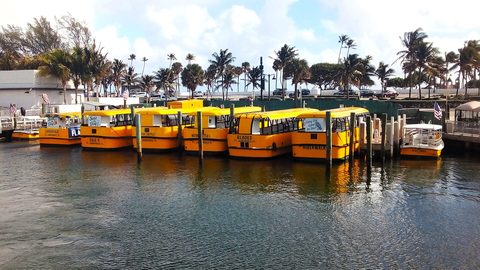
The water taxi in Fort Lauderdale is a different story. It is practical and scenic, not just a tourist gimmick. An all-day pass costs $35 and serves 20 plus stops along 15 miles of the Intracoastal. It bypasses the car problem entirely for the stretch it covers. If you are staying on the beach or Las Olas and your plans stay on the water, the water taxi is your best transport investment.
What Each City Actually Delivers for a Vacation
Fort Lauderdale: The Polished, Navigable Beach City
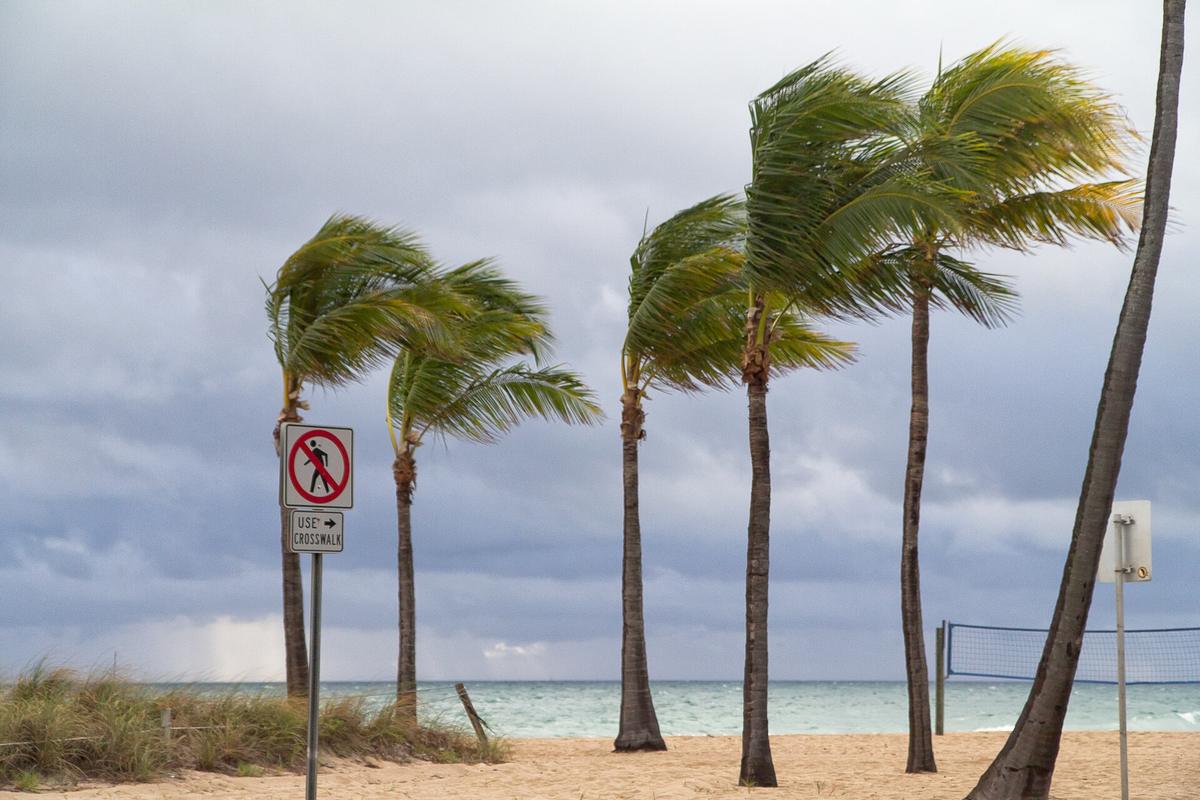
Fort Lauderdale delivers a beach city with a boating culture woven into daily life. The beach is seven miles of continuous public sand, hard packed with quartz and shell fragments, 50 to 150 feet wide depending on the section. South Beach is 2.5 miles of fine, soft imported sand, 25 to 75 feet wide. If you want room to spread out, Fort Lauderdale gives you more space.
First timers are often surprised by how much the experience revolves around a single strip, A1A. The downtown core feels quiet outside business hours. The spring break chaos of decades past has been replaced by upscale yachting and dining. This is not a budget destination. A mid range dinner entree runs $18 to $32. A cocktail costs $12 to $16. A hotel room averages $180 to $250 per night with a resort fee of $25 to $45 on top of that. Valet parking overnight costs $30 to $45.
Who Should Choose Fort Lauderdale
Fort Lauderdale is best for boaters and yachting enthusiasts. The city has 165 miles of navigable canals, more than Venice, Italy. Broward County has 45,000 plus boat registrations and over 100 marinas. The Fort Lauderdale International Boat Show draws 100,000 plus attendees annually. If you want to be on the water, this is your base.
It is also the right choice for LGBTQ+ travellers who want an established, walkable resort scene. Wilton Manors is the concentrated heart of LGBTQ+ nightlife. It is self contained. You do not need a car to enjoy it. Stonewall National Museum and Archives is here as well.
Families who want a tamer beach scene should pick Fort Lauderdale over Miami. The beach has 30 plus lifeguard towers. The water is calmer because the reef blocks most swell, which means children are not fighting waves. The trade off is that the reef blocks surfable waves too. Surfers looking for consistent, powerful swell should skip Fort Lauderdale.
Cruise passengers on pre or post voyage stays should base here. Port Everglades is two miles from FLL airport. It handled 4 million cruise passengers in 2024 across 8 terminals. PortMiami handled 7.3 million across 11 terminals. Fort Lauderdale is the easier cruise port for logistics.
Fort Lauderdale is not for travellers craving edgy, underground culture or dense, historic urban exploration. It is not for budget backpackers looking for hostel circuits and street food. It is not for surfers. If you want Michelin starred restaurants, Fort Lauderdale had zero in the 2024 guide. Miami had 14. If you want a nightclub with capacity over 500, Fort Lauderdale has fewer than 10. Miami has over 30.
Miami: Density, Cultural Chaos, And A Later Clock
Miami wins on density. South Beach packs its 2.5 mile beach with 35 plus lifeguard towers, and the Art Deco district enforces a 200 foot building height limit that keeps the skyline human scale. Fort Lauderdale has no beachfront height limit, and buildings up to 40 stories exist. Miami feels like a city. Fort Lauderdale feels like a resort.
Miami wins on public transit. The Metrorail, Metromover, and Brightline give you options that Fort Lauderdale does not. You can live in Miami without a ride-hail app. You cannot do that in Fort Lauderdale.
Miami wins on cultural chaos. Wynwood Walls, founded in 2009, has 50 plus permanent murals. The Perez Art Museum Miami opened in 2013 and drew 300,000 plus visitors in 2024. The Adrienne Arsht Center for the Performing Arts opened in 2006 and drew 500,000 plus visitors in 2024. The Broward Center for the Performing Arts in Fort Lauderdale opened in 1991 and drew 700,000 plus visitors in 2024, so the performing arts scene is stronger in Fort Lauderdale. But the visual arts, dining, and nightlife density is unquestionably in Miami.
Miami nightlife districts include South Beach, Wynwood, Brickell, Downtown, Little Havana, and the Design District. Last call in Miami is 5:00 AM citywide with some 24 hour licenses. In Fort Lauderdale last call is 2:00 AM citywide with some 4:00 AM licenses downtown. If you want to be out past 2:00 AM, you need to be in Miami.
Miami costs more. A mid range dinner entree on Miami Beach runs $25 to $45. A cocktail costs $16 to $24. A hotel room on Miami Beach averages $280 to $450 per night with a resort fee of $35 to $55 on top. Valet parking overnight costs $45 to $60. The population difference tells the story. Miami has 455,000 residents. Fort Lauderdale has 183,000. Miami is a major city. Fort Lauderdale is a large town.
When to Visit and What to Avoid in Each City
Peak season for both cities runs December through April. Dry, low humidity weather with daily highs around 77 to 82 degrees Fahrenheit draws snowbirds and holidaymakers. Accommodation rates hit their annual maximum. Book four months ahead for peak season. The windows you need to avoid are different for each city.
Fort Lauderdale Dates To Skip
Avoid Fort Lauderdale late May through June. This is the start of the wet season. Daily afternoon downpours and oppressive humidity combine with the risk of early season tropical storms. The sargassum seaweed influx on the beach from May through October creates a strong rotten egg smell and makes swimming unpleasant. Also avoid the Fort Lauderdale International Boat Show week, late October to early November. Hotel prices spike and the 17th Street Causeway area becomes gridlocked. For the 2026 calendar, the boat show runs October 28 through November 1. Do not book Fort Lauderdale those dates unless you are attending the show.
Miami Dates To Skip
The same sargassum problem affects Miami beaches May through October. Miami also has the Art Basel week in early December, which drives hotel rates to their absolute peak. If you are not attending the fair, do not visit Miami during Art Basel.
The median age in Fort Lauderdale is 42.4. The median age in Miami is 40.1. Fort Lauderdale skews older and quieter. If you want a trip where the biggest decision is which boat to rent, Fort Lauderdale. If you want a trip where you stay out until the last train and eat at a Michelin starred restaurant, Miami.

Worth it if
- Fort Lauderdale: Choose it if you want 7 miles of wider, harder-packed beach, 165 miles of navigable canals, walkable LGBTQ+ nightlife in Wilton Manors, cheaper hotels and meals, and a calmer overall pace.
- Miami: Choose it if you want 14 Michelin-starred restaurants, 30+ nightclubs with capacity over 500, 5 AM last call, better public transit, and a dense urban cultural scene.
- Fort Lauderdale wins for boaters, families, cruise passengers, and anyone who wants a resort vacation with water access and a quiet evening.
- Miami wins for partiers, food tourists, art lovers, and anyone who wants a city that actually feels like a city after midnight.
- The loser is the traveller who tries to straddle both. 90 minutes in rush hour traffic between them will ruin your trip.
Skip it if
- Fort Lauderdale is car-dependent, has a quiet downtown after hours, has no Michelin-starred dining, and its trolley shuttle is not a reliable transport option.
- Miami is expensive, crowded, loud, and its beaches are narrower and more crowded. South Beach sand is 25 to 75 feet wide. Fort Lauderdale beach is 50 to 150 feet wide.
- Fort Lauderdale has fewer than 10 clubs with capacity over 500. Miami has 30 plus. If you want a big night out, Fort Lauderdale will disappoint you.
- Miami Beach resort fees of $35 to $55 per night and valet parking of $45 to $60 per night add $80 to $115 daily to your hotel cost before you spend a dollar.
The One Thing You Should Do Next
Open a calendar. Count how many nights you have. If you have three nights or fewer, pick one city and stay there. Three full days is the minimum for Fort Lauderdale: one for the beach and Intracoastal, one for the Everglades, and one for the arts and dining scene without rushing. If you have four or more nights, consider splitting your stay, but only if you use the Brightline train to move between them. Do not attempt a split stay by rental car. The traffic will consume your vacation.
Where To Book
If you choose Fort Lauderdale, do not book a hotel deep inland near I 95 or in Plantation. That mistake costs you a 20 minute, $25 ride hail every time you want to see the ocean with no scenic walking route. Book on the beach strip, on Las Olas Boulevard, or in Lauderdale by the Sea if you want a retro walkable beach town feel. If you choose Miami, budget for the resort fees and valet parking before you book. Add $80 to $115 per day to your hotel cost and see if the number still works.
The winner is Fort Lauderdale for travellers who want a manageable, water oriented, quieter beach vacation at a lower price. The winner is Miami for travellers who want density, late nights, and cultural saturation and are willing to pay for it. The traveller who loses is the one who tries to bridge both cities by car. Do not be that traveller.
Read next
-
 Fort Lauderdale Hotels Beach Towers Boutique Stays and Marina Resorts
Fort Lauderdale hotels range from A1A beach towers to Intracoastal marina resorts and Wilton Manors guesthouses. Here is which category fits your trip and what each costs.
Fort Lauderdale Hotels Beach Towers Boutique Stays and Marina Resorts
Fort Lauderdale hotels range from A1A beach towers to Intracoastal marina resorts and Wilton Manors guesthouses. Here is which category fits your trip and what each costs.
-
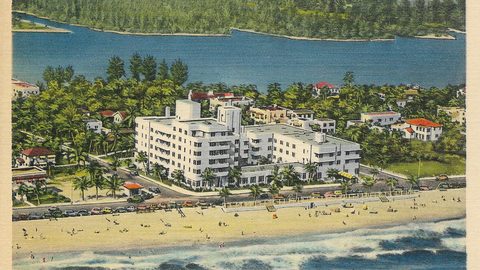 Where to Stay in Fort Lauderdale Beach Las Olas Wilton Manors and Beyond
Where you stay in Fort Lauderdale defines your entire trip. Compare the beach strip, Las Olas, Wilton Manors, and the inland options that look close on a map but are not.
Where to Stay in Fort Lauderdale Beach Las Olas Wilton Manors and Beyond
Where you stay in Fort Lauderdale defines your entire trip. Compare the beach strip, Las Olas, Wilton Manors, and the inland options that look close on a map but are not.
-
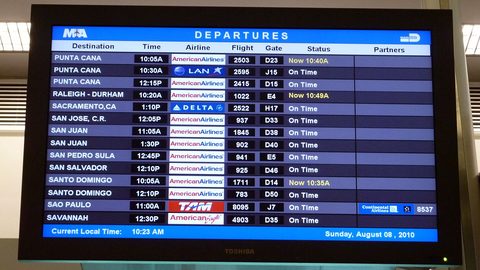 Flying to Fort Lauderdale and Why FLL Beats MIA for the Beach
FLL puts you 15 minutes from the Fort Lauderdale beach for a $25 ride. MIA is a backup option with a longer drive north. Here is how to choose and what the fare gap really buys you.
Flying to Fort Lauderdale and Why FLL Beats MIA for the Beach
FLL puts you 15 minutes from the Fort Lauderdale beach for a $25 ride. MIA is a backup option with a longer drive north. Here is how to choose and what the fare gap really buys you.
-
 Things to Do in Fort Lauderdale Waterways Arts and Everglades Edge
Fort Lauderdale is built around its waterways, arts warehouses, and proximity to the Everglades. Here is a three-day plan that connects the city beyond the beach.
Things to Do in Fort Lauderdale Waterways Arts and Everglades Edge
Fort Lauderdale is built around its waterways, arts warehouses, and proximity to the Everglades. Here is a three-day plan that connects the city beyond the beach.
-
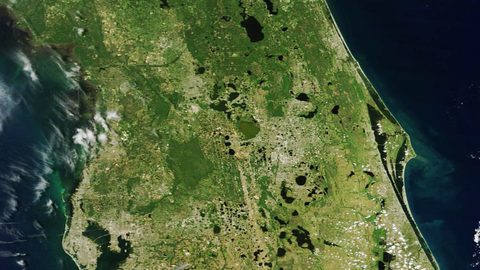 Best Time to Visit Fort Lauderdale and When to Stay Away
Fort Lauderdale shines December through April, but sargassum seaweed, humidity, and the Boat Show price spike make other months a gamble. Here is when to book and when to avoid.
Best Time to Visit Fort Lauderdale and When to Stay Away
Fort Lauderdale shines December through April, but sargassum seaweed, humidity, and the Boat Show price spike make other months a gamble. Here is when to book and when to avoid.
-
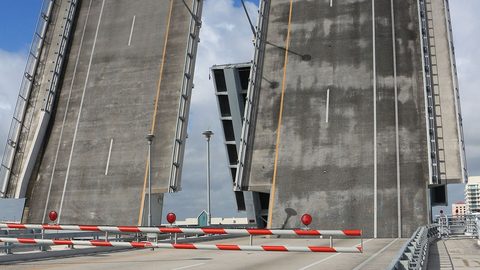 Getting Around Fort Lauderdale Without Wasting Afternoon Parking Fees
From the scenic Water Taxi and unreliable Sun Trolley to ride-hailing dominance and drawbridge traps, here is how getting around Fort Lauderdale actually works.
Getting Around Fort Lauderdale Without Wasting Afternoon Parking Fees
From the scenic Water Taxi and unreliable Sun Trolley to ride-hailing dominance and drawbridge traps, here is how getting around Fort Lauderdale actually works.
-
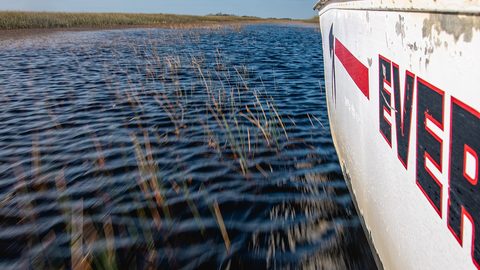 The Everglades
Compare Everglades Holiday Park airboats and Shark Valley's tram loop for a day trip from Fort Lauderdale, with honest drive times and what to expect.
The Everglades
Compare Everglades Holiday Park airboats and Shark Valley's tram loop for a day trip from Fort Lauderdale, with honest drive times and what to expect.
-
 Broward Center for the Performing Arts
Navigate the Broward Center's theaters, parking, and Broadway season so a show night in downtown Fort Lauderdale goes smoothly.
Broward Center for the Performing Arts
Navigate the Broward Center's theaters, parking, and Broadway season so a show night in downtown Fort Lauderdale goes smoothly.
-
 Flamingo Gardens
 in Davie combines a botanical sanctuary of champion trees with a wildlife refuge and a narrated tram ride west of Fort Lauderdale.
Flamingo Gardens
Flamingo Gardens in Davie combines a botanical sanctuary of champion trees with a wildlife refuge and a narrated tram ride west of Fort Lauderdale.