Visiting Butterfly World in Tradewinds Park: What to Expect and When to Go
Butterfly World in Pompano Beach features walk-through aviaries with peak butterfly activity in the morning—best for families and enthusiasts.


Butterfly World in Tradewinds Park: What to Expect and When to Go
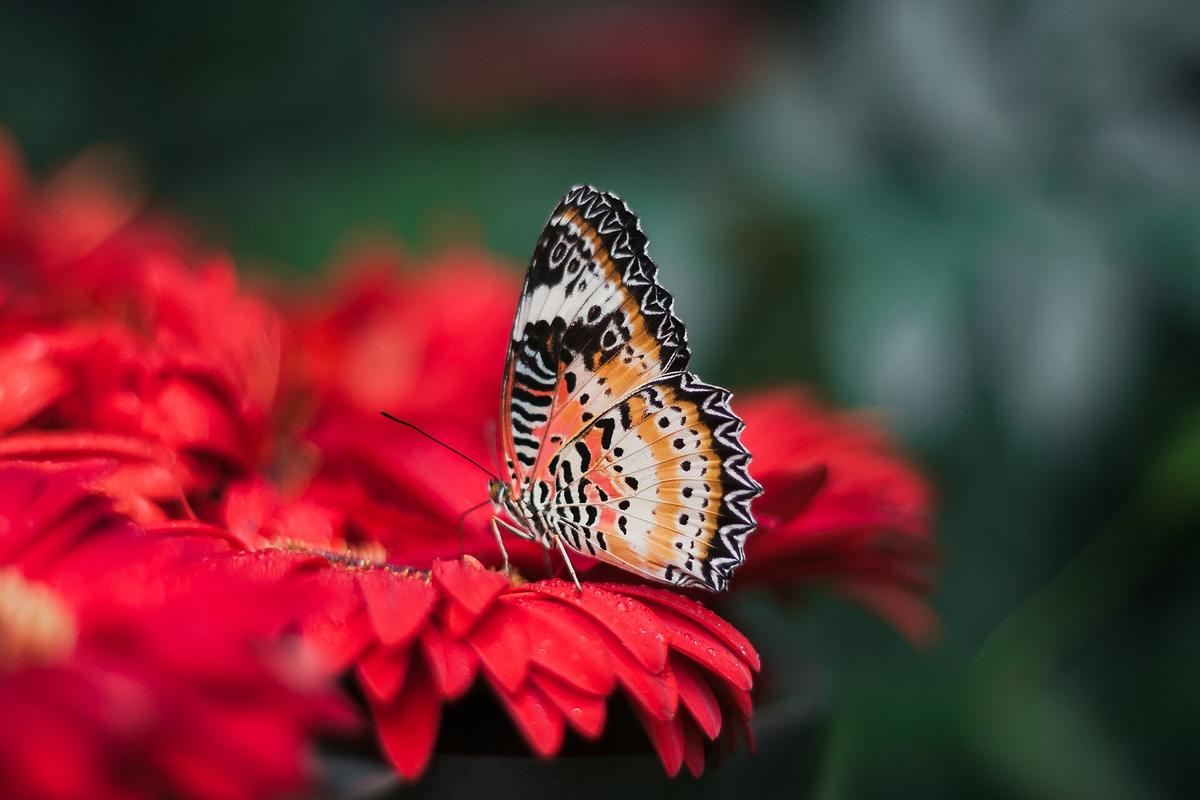
A blue morpho lands on your forearm, its wings closing and opening with a pulse you can feel more than see. The air is thick with the scent of tropical flowers and the movement of wings. This is Butterfly World in Pompano Beach, the largest butterfly park in the world since its 1988 opening. It forces an honest question: is a place that markets itself to families a waste of time for adults travelling without children? The short answer is no, but only if you go in knowing what it is and when to arrive.
Butterfly World sits inside Tradewinds Park, a county-run green space north of central Fort Lauderdale. If you are based on the Fort Lauderdale beach strip or Las Olas Boulevard, budget for a 20-minute ride-hail north. The attraction does not sit inside the city of Pompano Beach proper; it is in the Coconut Creek area, tucked off the Sawgrass Expressway. Do not confuse it with the smaller butterfly exhibits in roadside zoos and botanical gardens across the state. This one operates six walk-through aviaries, plus separate contained exhibits for hummingbirds and lorikeets. That scale is the main reason to drive there.
- Opening Year: 1988
- Claim to Scale: Largest butterfly park in the world
- Number of Walk-Through Aviaries: 6
- Other Contained Exhibits: Hummingbird house, Lorikeet encounter
- Peak Butterfly Activity Period: Morning, within first 2, 3 hours of opening
- Peak Butterfly Activity Condition: Warm, sunny weather
- Low Butterfly Activity Condition: Cool, overcast, or rainy weather
- Photography: Permitted. No tripods or monopods without prior permission
- General Admission (Ages 13, 64): $32.50 (2026 rate, set by the park)
- General Admission (Ages 65+): $27.50 (2026 rate)
- General Admission (Ages 3, 12): $22.50 (2026 rate)
- General Admission (Ages 0, 2): Free
- Typical Visit Duration: 2, 3 hours
- Suitable For Age Groups: All ages
The Aviary Layout and the Morning Rule
Arrive by 09:00, fifteen minutes after the published opening time, and buy your general admission ticket at the gate. The 2026 rate is $32.50 for adults, $27.50 for seniors 65 and older, and $22.50 for children aged 3 through 12. Infants enter free. Third-party bundles sold at hotel concierge desks and online discount portals lock you into afternoon entry windows. Avoid them. The only ticket worth your money is the standard walk-up, because the time of day you enter determines everything you get out of this place.
Butterfly activity peaks in the first two to three hours after opening on warm, sunny mornings. By 11:30, especially in the wet season from late May through June, the butterflies retreat to the shaded upper canopy of the aviaries and stop landing. The same effect happens on cool, overcast, or rainy days. Show up at 13:00 under a grey sky and you will walk through six large enclosures full of foliage and see perhaps a dozen butterflies on the wing. The staff cannot control the insect behaviour.
How the Loop Works
The layout gives you a sequence of distinct experiences: start in the main tropical aviary, then move through the smaller screened rooms that house specific populations. The hummingbird house and the lorikeet encounter are contained exhibits within the same loop, not separate add-ons with extra fees.
Is This for Adults or for Kids
Adults frequently report enjoying the experience more than they expected. The park is suitable for all ages. That said, the attraction is a niche one. A pair of lepidopterists or a photographer who has read the tripod restriction rule and packed a fast lens will find two hours of absorbing detail: wing patterns, chrysalis displays, the way light filters through the mesh.
A couple on a three-day Fort Lauderdale itinerary that includes one beach day, one Everglades trip, and one day for Las Olas dining should skip Butterfly World. Your day is finite. The ride-hail cost and travel time eat into a morning you could spend kayaking Hugh Taylor Birch State Park or walking the Bonnet House gardens.
Who Gets the Most Value
Families with children get the most value here, not because the exhibits are simplified, but because the encounter model works best for short attention spans. A child who gets bored after fifteen minutes in a museum will stay engaged watching lorikeets land on an offered cup of nectar. The park is designed as a loop; you cannot get lost and every exit is visible.
If you are an adult travelling solo or as a couple, ask yourself one question before booking: would you be satisfied watching butterflies in a controlled indoor environment for two hours, or would you rather see them in the wild on a walk through the Everglades? If the latter, drive 40 minutes west to Everglades Holiday Park. If the former, buy the morning ticket and go.
| Profile | Recommendation | Why |
|---|---|---|
| Lepidopterist or photographer | Yes, morning visit | Controlled access to 6 aviaries; no wild variables beyond weather |
| Family with kids ages 3–12 | Yes | High engagement for short attention spans; 2-hour duration is manageable |
| Couple on 3-day Fort Lauderdale trip | No | Morning slot conflicts with beach or Intracoastal water taxi; ride-hail offset |
| Retirees or snowbirds looking for flat, leisurely outing | Yes, if morning | Flat paths, shaded interiors, benches inside aviaries; skip if overcast |
.jpg)
Photography, the Hummingbird House, and the Lorikeet Encounter
Photography is permitted throughout the park, but tripods and monopods are not allowed without prior permission from management. The aviaries are narrow and crowded on weekends. A tripod leg blocks the path for other visitors. If you are serious about macro shots, bring a camera with a fast lens and high ISO capability; the aviary lighting is filtered mesh light, not harsh direct sun. Shoot in aperture priority mode and keep your shutter speed fast to freeze wing motion.
The Hummingbird House
This is a separate enclosed space where multiple species of hummingbirds feed from hanging nectar tubes. The birds move fast and do not land for long. Station yourself near a feeder for five minutes without moving, and one will hover close enough for a clear shot. Do not raise your arms suddenly; the birds startle easily.
The Lorikeet Encounter
A small open enclosure where rainbow lorikeets are trained to land on visitors who hold small cups of nectar. The park staff sells the nectar cups at the entrance to this exhibit for a small fee. The birds have sharp claws and will grip your skin, which surprises some visitors. If that bothers you, skip this room and move directly to the exit loop.
Common Questions
Butterfly World open in the rain?
Yes, the aviaries are covered, but butterfly activity drops significantly on cool, overcast, or rainy days. If rain is forecast, call ahead before driving north. A dry morning after rain is fine, but active rain means you will see few butterflies.
Do adults feel out of place without children?
No. The park sees a mix of couples, solo photographers, and retirees. The atmosphere is quiet and observational, not chaotic. Adults who show up expecting a children's museum are the ones who feel misled. If you go for the butterflies, you belong.
Folding tripod allowed?
No. The restriction covers all tripods and monopods, including tabletop and folding models, without prior permission. You can request permission by contacting the park in advance, but approval is not guaranteed.
Better to visit on weekday or weekend?
Weekday morning. Weekends draw families and school groups, and the aviary paths get congested. The butterflies behave the same, but your experience is calmer on a Tuesday at 09:15.
How far is Butterfly World from Fort Lauderdale Beach?
About 11 miles, a 20-minute ride-hail without traffic. During peak season December through April, add ten minutes. There is no direct bus route that drops you at the park entrance.
Read next
-
 Where to Stay in Pompano Beach From Dive Resorts to Pier Hotels
Pompano Beach hotels cluster near the fishing pier and dive boats, offering a quieter, retro alternative to the Fort Lauderdale strip with direct ocean access.
Where to Stay in Pompano Beach From Dive Resorts to Pier Hotels
Pompano Beach hotels cluster near the fishing pier and dive boats, offering a quieter, retro alternative to the Fort Lauderdale strip with direct ocean access.
-
 Things to Do in Pompano Beach Diving Pier and Laid Back Days
Pompano Beach revolves around its reef dives and fishing pier, but also offers a public golf course, cultural center, and a low-key beachfront park scene.
Things to Do in Pompano Beach Diving Pier and Laid Back Days
Pompano Beach revolves around its reef dives and fishing pier, but also offers a public golf course, cultural center, and a low-key beachfront park scene.
-
 The Goodyear Blimp Base
The Goodyear Blimp base in Pompano Beach is not open for public tours, but you can still spot the airship from nearby vantage points around Fort Lauderdale with the right timing.
The Goodyear Blimp Base
The Goodyear Blimp base in Pompano Beach is not open for public tours, but you can still spot the airship from nearby vantage points around Fort Lauderdale with the right timing.
-
 Arriving in the US for a Florida Trip Entry Rules Driving and Practicalities
International travelers heading to Florida need to navigate ESTA or visa requirements, US Customs processing at airports like FLL, and Florida's specific rules for foreign drivers renting cars.
Arriving in the US for a Florida Trip Entry Rules Driving and Practicalities
International travelers heading to Florida need to navigate ESTA or visa requirements, US Customs processing at airports like FLL, and Florida's specific rules for foreign drivers renting cars.