Fort Lauderdale Beach Parking Meters Lots and Free Street Options
A practical guide to Fort Lauderdale Beach Parking Meters Lots and Free Street Options.

How to read Fort Lauderdale beach parking zones
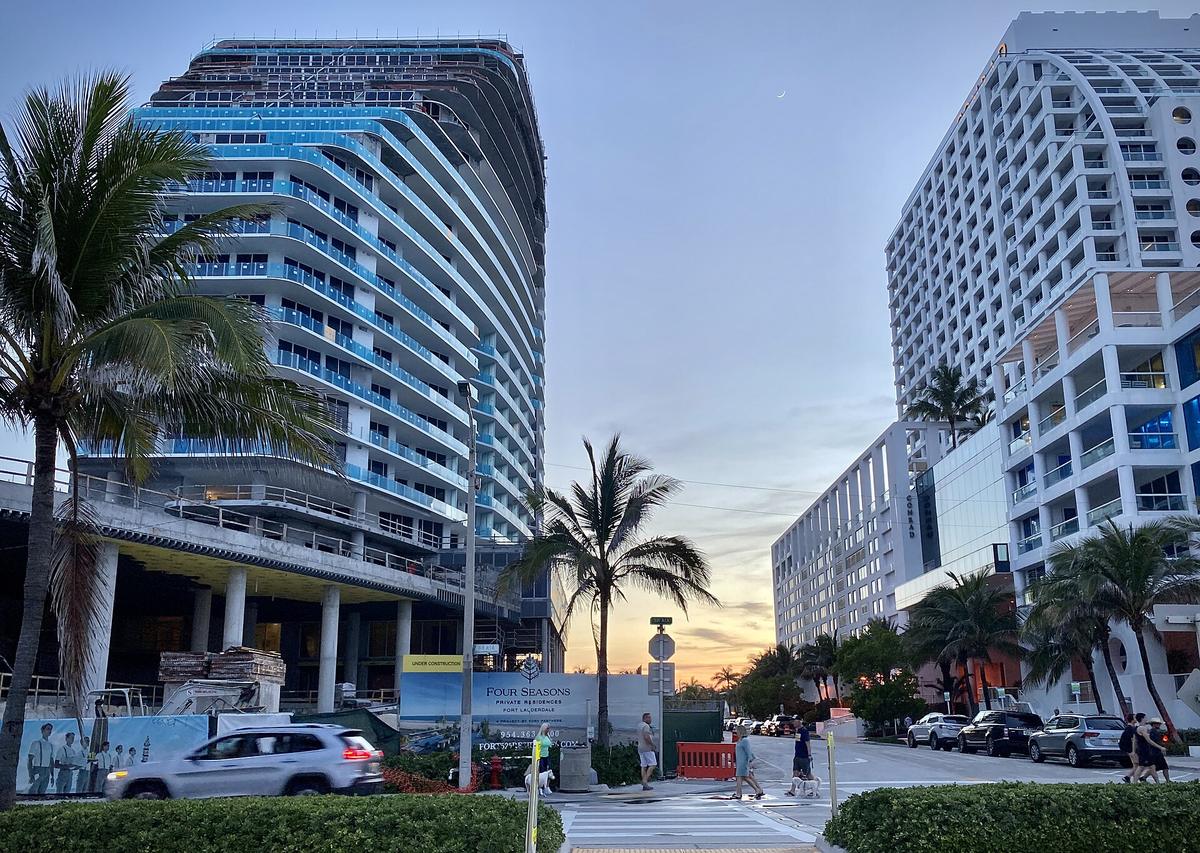
Fort Lauderdale beach parking is not a single product with a single set of rules. The city splits its public inventory into three broad zones, and each one runs on a different overnight clock. Understanding this geography before you drive toward the sand is the simplest way to avoid a tow or a ticket. The zones are the South Beach lot and garage cluster near Seabreeze Boulevard, the North Beach on-street meters along A1A, and the separately managed state park and private lots that sit just outside the city system.
The city operates all of its beach-area meters, lots, and the Las Olas Garage under a uniform non-resident hourly rate of $4.00. That number is the baseline for any public space you pull into, whether you are feeding a single-space meter on A1A or taking a ticket inside the garage. What changes by location is not the price per hour but the hours you are allowed to stay and the hours the space is closed or becomes a tow-away zone.
Payment runs through the PayByPhone app across the entire city-operated beach inventory. Multi-space meters also accept coins and credit cards, so you are not forced to download anything, but the app lets you extend a session without walking back to the curb. The city does not promise that every single-space meter takes cards, so carrying a few quarters as a fallback is a practical precaution the official payment page implies but does not guarantee.
Fort Lauderdale Beach Park lot and the overnight tow-away window
The largest single public lot on the beach sits at 700 Seabreeze Boulevard. Fort Lauderdale Beach Park holds 438 spaces and opens at 5:00 a.m. daily. The critical number to remember is 2:00 a.m. At that hour the lot closes and becomes a tow-away zone until it reopens at 5:00 a.m. If your evening runs late and your car is still inside at 2:01 a.m., the city’s posted rules treat it as a violation, not a grace-period situation. Planning a dinner or a late walk on this stretch of the beach means either moving the car before the closure or choosing a different parking location from the start.
This lot puts you directly adjacent to the beach park’s amenities, which makes it a strong choice for daytime visits when you want a guaranteed space and do not want to circle for on-street meters. The tradeoff is the hard overnight cutoff. For visitors staying in nearby hotels or dining along Seabreeze, the lot works well as a daytime base, but it is not the place to leave a vehicle during a long evening that might drift past midnight.
Las Olas Garage and the 10-hour maximum
At 200 Las Olas Circle, the Las Olas Garage offers 649 spaces and operates 24 hours a day, which immediately solves the overnight closure problem that the Beach Park lot presents. The garage imposes a 10-hour maximum stay, so it covers a full beach day or a dinner-and-drinks evening, but it is not designed for multi-day storage. The hourly rate matches the citywide $4.00 standard for non-residents.
Because the garage never closes, it is the most flexible city-operated option for visitors whose plans do not have a firm end time. The 10-hour cap means you still need to move the vehicle within that window, but you are not racing a tow-away deadline at 2:00 a.m. For anyone staying at a hotel that does not include parking or charges a higher valet rate, the Las Olas Garage is worth comparing directly against the hotel’s posted price. The city does not publish event-day flat-rate pricing on its website, but its parking code allows rates to rise to as much as $30 during special events. Checking the posted signage on the day you enter is the only way to confirm whether a standard or event rate applies.
North Beach on-street meters and the two enforcement zones
North Beach meters along A1A are not a single uniform block. The city draws a line at NE 13th Street. South of that line, from Sunrise Boulevard to NE 13th Street, meters on both the east and west sides of A1A are enforced from 5:00 a.m. until 4:00 a.m. Parking is prohibited during a one-hour window from 4:00 a.m. to 5:00 a.m. That narrow closure is easy to miss if you assume the meters run all night, but the city’s posted rules treat that hour as a no-parking period, not a free-parking gap.
North of NE 13th Street, on the east side of A1A from NE 13th Street to NE 18th Street, enforcement runs from 5:00 a.m. to 11:00 p.m., and no parking is permitted after 11:00 p.m. This earlier cutoff makes these meters a poor fit for late dinners or bar-hopping, but they can work well for morning beach walks and afternoon sunbathing when you plan to leave before the evening shutdown.
Choosing between the two North Beach meter zones comes down to how late you intend to stay. If you expect to be near the beach past 11:00 p.m., the south-end meters give you until 4:00 a.m., provided you move the car during the 4:00 a.m. to 5:00 a.m. closure. If your day ends earlier, the north-end meters are equally priced and equally convenient to the sand.
Free and reduced-cost parking paths that are verified
Two official paths reduce or remove the hourly cost, and both are tied to specific qualifications. Vehicles displaying a valid disabled parking permit or license plate may park for free for up to four hours at any on-street metered space in the city, per Florida State Statute 316.1964. This applies to the A1A meters but does not extend to lots or garages unless posted signage says otherwise.
Fort Lauderdale residents can buy a Residential Beach Parking Permit for $75 plus tax per year. The permit drops the hourly rate to $1.50 at Fort Lauderdale Beach Park, the North Beach on-street meters, and the Las Olas Garage. It does not make parking free, and it does not override the overnight closure rules. For a resident who visits the beach regularly, the math is straightforward: at the standard $4.00 rate, the permit pays for itself after roughly 30 hours of parking. Visitors without a Fort Lauderdale address cannot purchase this permit, so the standard rate is the only city-operated option.
Hugh Taylor Birch State Park as a beach-adjacent alternative
Hugh Taylor Birch State Park, entered at 3109 E. Sunrise Boulevard, sits directly adjacent to the beach and operates under a completely separate fee structure from the city. Admission is $6 per vehicle for up to eight people, and the park is open from 8:00 a.m. to sunset daily. This is not a parking meter or a garage; it is a state park entry fee that includes access to parking near the beach.
The tradeoff is the operating hours. Sunset is a firm closing time, so this option suits a full beach day that wraps up before dusk. For visitors who plan to stay into the evening, the city’s meters or the Las Olas Garage are more practical. The state park does not offer hourly parking, so comparing it to the city’s $4.00-per-hour rate depends entirely on how many hours you stay. A family arriving at 8:00 a.m. and leaving by sunset pays a flat $6 total, which undercuts the city rate significantly for a long day. A solo visitor staying two hours in the afternoon would find the city meters cheaper at $8.00 total versus the park’s $6.00, though the difference is small.
Residential permit zones and the streets that are off-limits
Not every street near the beach is open to visitor parking. The Birch Park Beach Finger Streets neighborhood operates a Residential Parking Permit Program that restricts on-street parking to permit-holding residents only. A non-resident who parks there without a valid permit risks a citation. The fine for parking in a permit-only area without a displayed permit is $32.00 under the city’s schedule of fines.
These finger streets run close to the beach and can look like convenient free parking on a map, but the permit requirement is enforced. Reading the posted signage on every block before leaving the car is the only reliable way to confirm whether a space is part of the residential program. The city does not publish a street-by-street map that updates in real time, so the onus is on the driver to check the sign at the specific spot.
Parking citations must be paid or appealed within 10 business days of issuance. If a citation goes unanswered, the Broward County Clerk of Courts can flag the vehicle registration and add late fees. This process applies to all city-issued beach parking tickets, whether from a meter, a permit zone, or an overnight tow-away violation.
Private lots and the rule of reading the sign
Private lots operate near the beach under independent management, and their rates are not set by the city. The Beach Place Garage and lots run by Professional Parking Management are two examples the city references, but the city does not publish or verify their current pricing. The only safe approach is to read the posted rate sign at the entrance before pulling in. Private operators may use flat fees, hourly rates, or event-day pricing that differs from the city’s $4.00 standard, and they are not obligated to match the city’s payment methods or enforcement hours.
If you are comparing a private lot to a city option, check three things on the sign: the rate structure, the closing time or tow-away policy, and whether the lot accepts the same payment method you plan to use. A private lot that looks cheaper at first glance may become more expensive if it charges a flat event rate while the city garage is still running at the standard hourly price, or vice versa. The city’s own parking page recommends verifying posted signage on the day of parking for all city-operated spaces as well, because special event pricing can change the standard rate.
Sources and verification
- fortlauderdale.gov — Research source checked for this guide
- ftlweb04app.azurewebsites.us — Research source checked for this guide
- fortlauderdale.gov — Research source checked for this guide
- fortlauderdale.gov — Research source checked for this guide
- fortlauderdale.gov — Research source checked for this guide
- fortlauderdale.gov — Research source checked for this guide
Read next
-
 Fort Lauderdale Hotels Beach Towers Boutique Stays and Marina Resorts
Fort Lauderdale hotels range from A1A beach towers to Intracoastal marina resorts and Wilton Manors guesthouses. Here is which category fits your trip and what each costs.
-
 Where to Stay in Fort Lauderdale Beach Las Olas Wilton Manors and Beyond
Where you stay in Fort Lauderdale defines your entire trip. Compare the beach strip, Las Olas, Wilton Manors, and the inland options that look close on a map but are not.
-
 Flying to Fort Lauderdale and Why FLL Beats MIA for the Beach
FLL puts you 15 minutes from the Fort Lauderdale beach for a $25 ride. MIA is a backup option with a longer drive north. Here is how to choose and what the fare gap really buys you.
-
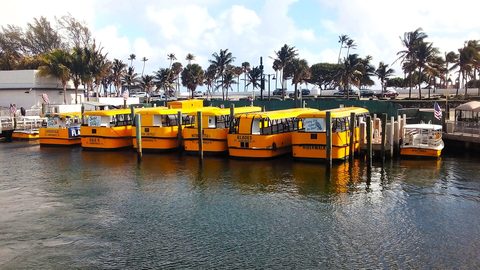 Things to Do in Fort Lauderdale Waterways Arts and Everglades Edge
Fort Lauderdale is built around its waterways, arts warehouses, and proximity to the Everglades. Here is a three-day plan that connects the city beyond the beach.
-
 Best Time to Visit Fort Lauderdale and When to Stay Away
Fort Lauderdale shines December through April, but sargassum seaweed, humidity, and the Boat Show price spike make other months a gamble. Here is when to book and when to avoid.
-
 Getting Around Fort Lauderdale Without Wasting Afternoon Parking Fees
From the scenic Water Taxi and unreliable Sun Trolley to ride-hailing dominance and drawbridge traps, here is how getting around Fort Lauderdale actually works.
-
 The Everglades
Compare Everglades Holiday Park airboats and Shark Valley's tram loop for a day trip from Fort Lauderdale, with honest drive times and what to expect.
-
 Broward Center for the Performing Arts
Navigate the Broward Center's theaters, parking, and Broadway season so a show night in downtown Fort Lauderdale goes smoothly.
-
 Flamingo Gardens
 in Davie combines a botanical sanctuary of champion trees with a wildlife refuge and a narrated tram ride west of Fort Lauderdale.